Quick answer: Regular condo cleaning maintains spaces that are already in reasonable condition. Deep cleaning targets accumulated grease, soap scum, dust on detailed surfaces and areas that routine visits usually do not cover. The right checklist depends more on the unit’s condition and daily use than on square footage alone.

This practical condo cleaning checklist explains what normally belongs in regular cleaning, what changes during a deep clean, and which tasks should be requested separately. It is designed for Toronto and GTA condos, where compact layouts, shared elevators, limited parking and seasonal salt can affect the cleaning plan.
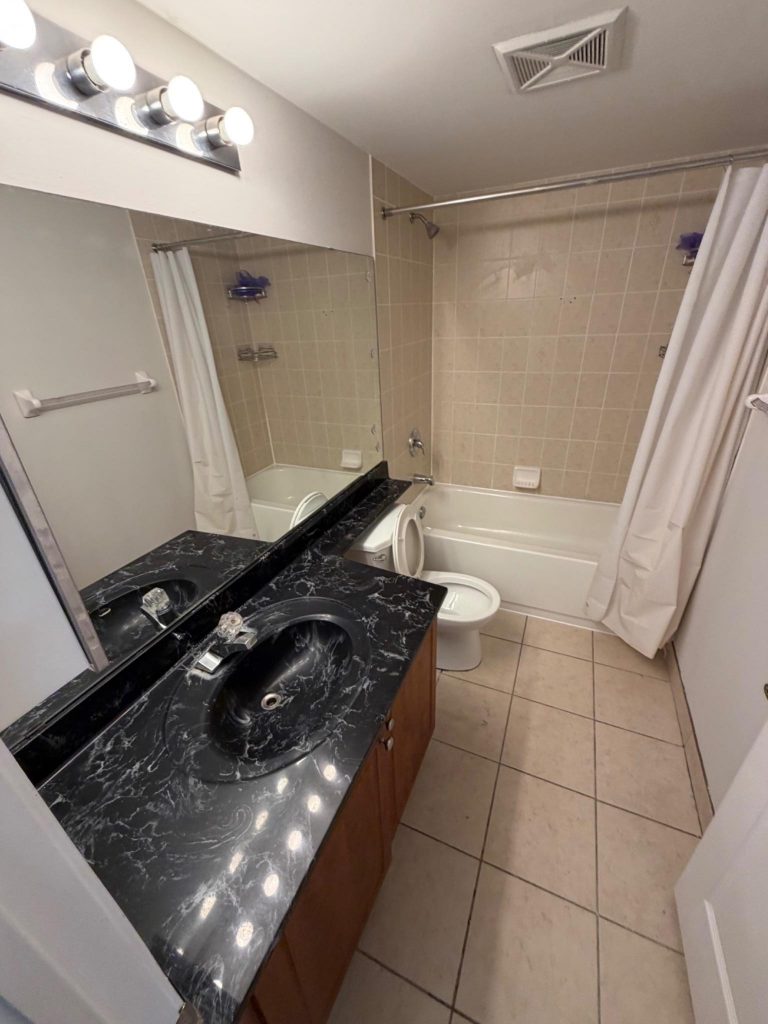
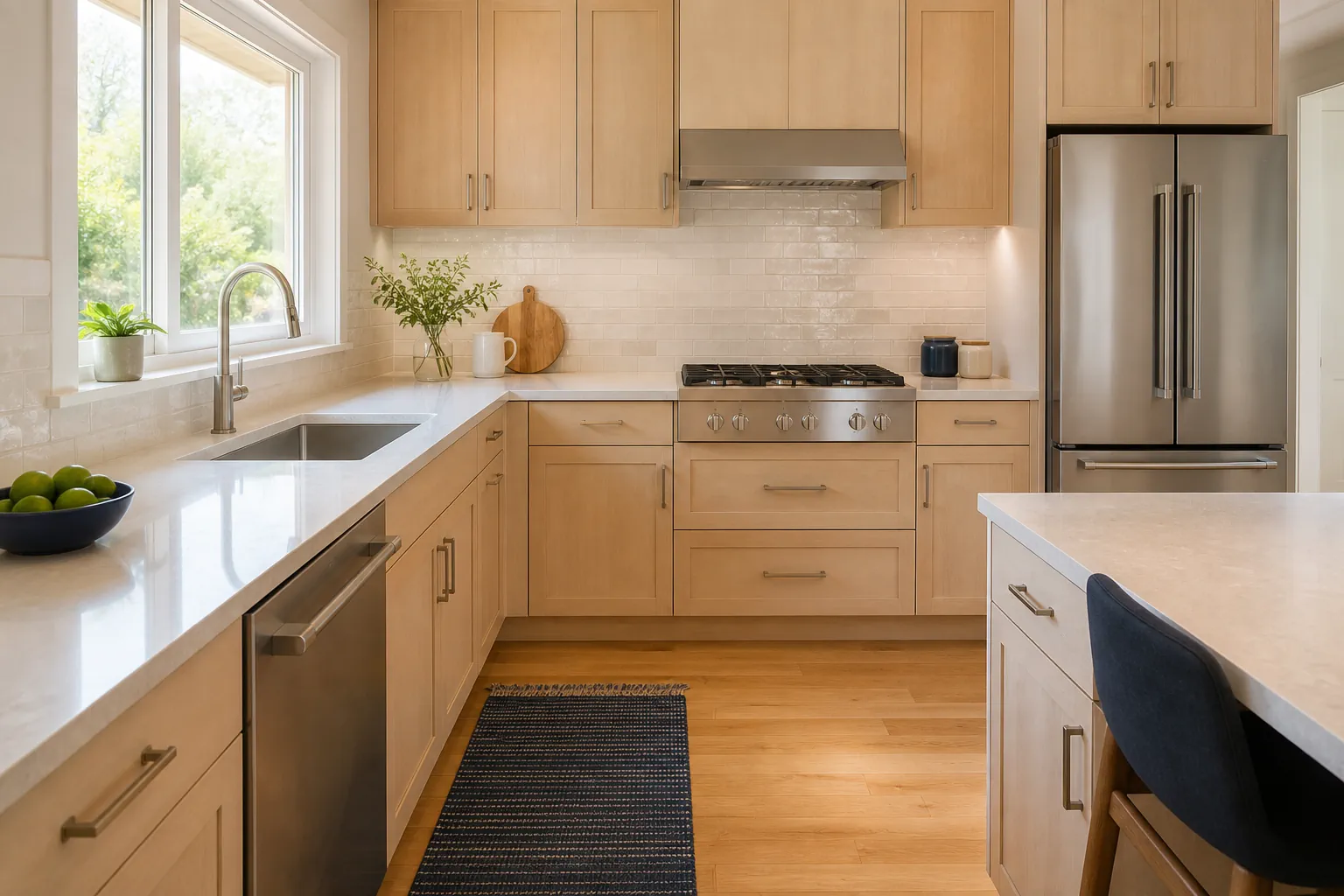
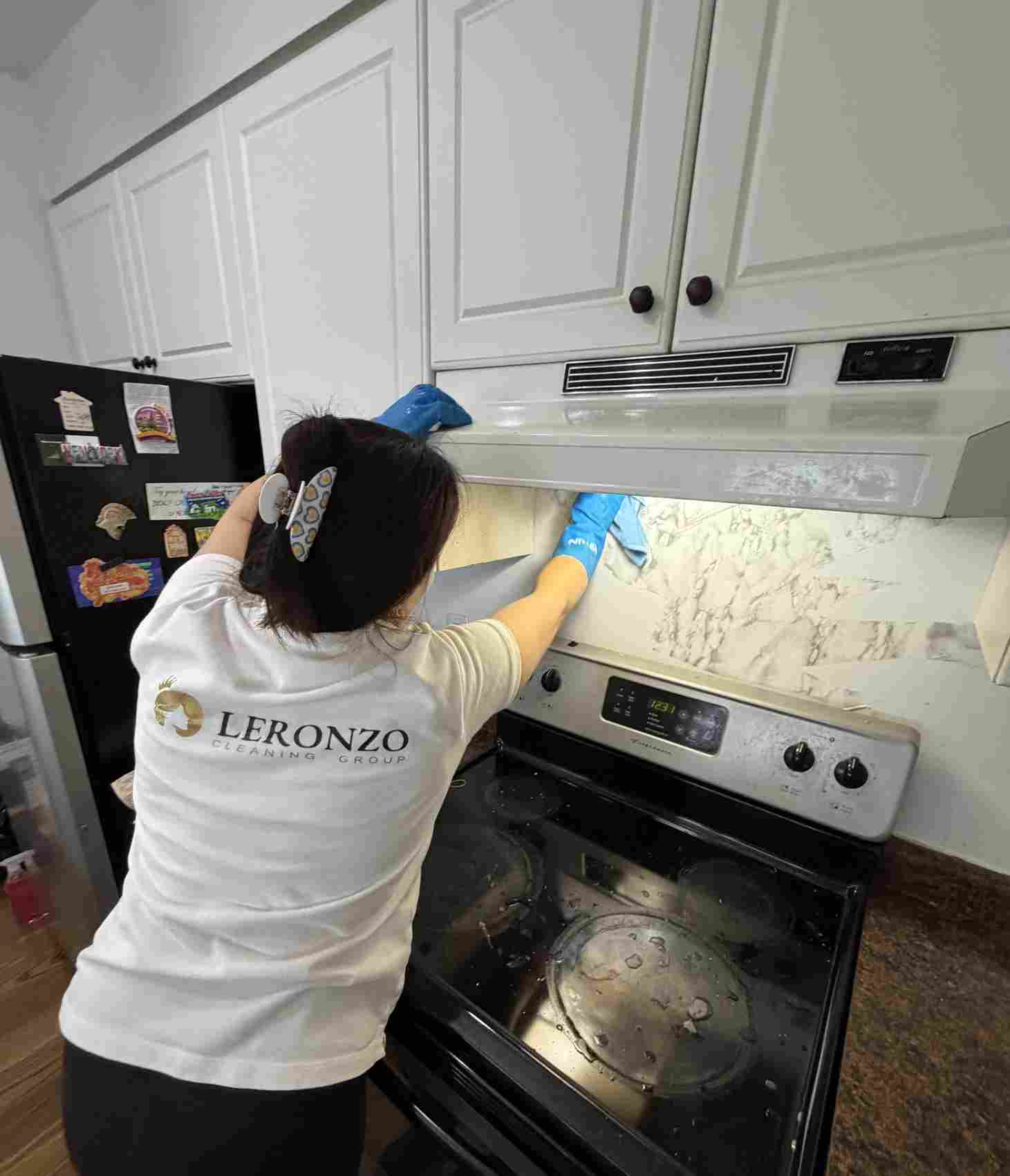
Kitchen condition is often the clearest sign that a condo needs regular maintenance or a deeper reset.

Regular vs deep condo cleaning at a glance

Regular or deep? Use this quick visual guide

Regular cleaning

  • Kitchen: counters, sink, stovetop and appliance exteriors
  • Bathroom: fixtures, mirrors and floors
  • Living areas: dusting, vacuuming and mopping
  • Best for: routine maintenance

Deep cleaning

  • Kitchen: built-up grease, backsplash and cabinet fronts
  • Bathroom: soap scum, limescale and grout detail
  • Living areas: baseboards, trim and neglected edges
  • Best for: accumulated buildup and a detailed reset

Choose by current condition—not square footage alone.

AreaRegular cleaningDeep cleaning
KitchenAccessible counters, sink, stovetop and appliance exteriorsBuilt-up grease, backsplash, cabinet fronts and detailed edges
BathroomsToilet, sink, mirrors, shower or tub and floorsSoap scum, limescale, grout attention and detailed fixtures
Living areasAccessible dusting, vacuuming and moppingBaseboards, doors, frames, sills and neglected corners
BedroomsAccessible surfaces and floorsDetailed dust removal from trim and buildup-prone areas
Inside appliances or cabinetsUsually not includedAdded only when selected and accessible

Important: “Deep” does not mean every possible task is automatically included. Interior windows, oven and refrigerator interiors, balconies, full wall washing and organizing may require separate selection. Confirm the scope before the team arrives.

Regular condo cleaning checklist

Regular cleaning works best when the condo is maintained weekly, bi-weekly or on another consistent schedule. Its purpose is to control everyday dust, fingerprints, kitchen residue and bathroom use before they become heavy buildup.

Kitchen

  • Wipe accessible countertops and backsplash
  • Clean the sink and faucet
  • Wipe the stovetop and exterior of major appliances
  • Wipe accessible cabinet fronts and handles
  • Vacuum and mop the floor
  • Remove household garbage when bags and disposal instructions are available

Bathrooms

  • Clean and disinfect the toilet
  • Wipe the vanity, sink, mirror and fixtures
  • Clean the accessible shower or bathtub surfaces
  • Wipe commonly touched handles and switches
  • Vacuum and mop the floor

Bedrooms and living areas

  • Dust accessible horizontal surfaces
  • Wipe tables and reachable furniture surfaces
  • Vacuum carpet and rugs
  • Vacuum and mop hard floors
  • Empty accessible waste bins
  • Complete a final visual check of the selected rooms

Deep condo cleaning checklist

Choose deep cleaning when visible buildup remains after routine wiping, the unit has not been professionally cleaned for several weeks or months, or detailed surfaces need a reset. For a fuller explanation, see our deep cleaning service.

  • Kitchen detail: built-up grease around the stovetop, backsplash, cabinet fronts, handles and edges
  • Bathroom buildup: soap scum, water marks, limescale and detail work around fixtures
  • Trim and edges: baseboards, door frames, doors, window sills and accessible corners
  • Detailed dusting: reachable vents, ledges, fixtures and surfaces missed during routine maintenance
  • Floor detail: careful vacuuming along edges followed by the appropriate hard-floor cleaning
  • Selected extras: inside oven, inside refrigerator, inside cabinets or interior windows when specifically booked

Soap film, mineral marks and buildup around fixtures usually require more detail than routine bathroom maintenance.

What is usually not automatic?

A clear checklist prevents the most common expectation problem: assuming a booking includes unlimited tasks. The following items should be discussed or selected separately:

  • Inside the oven, refrigerator, cabinets or closets
  • Full wall washing or extensive spot cleaning
  • Interior or exterior window cleaning
  • Balcony cleaning and patio glass
  • Laundry, dishes, organizing or decluttering
  • Carpet extraction and upholstery cleaning
  • Heavy mould remediation, pest waste or hazardous materials
  • Post-renovation dust or move-in/move-out cleaning

If the condo is empty before or after a tenancy, a dedicated move-in or move-out service is usually more appropriate than a routine visit. Renovation dust also requires its own process and equipment.

How to choose the right cleaning level

  1. Look at the current condition. Light dust and recent residue usually point to regular maintenance. Grease, scale and neglected details point to deep cleaning.
  2. Identify three priorities. For example: kitchen, two bathrooms and floors. Priorities help the team use the booked time effectively.
  3. List extras before booking. Appliance interiors, windows and balconies should not be added after work has started if they were not included in the original scope.
  4. Match the service to the situation. Routine care, a detailed reset, a move or renovation cleanup require different checklists.

Simple rule: if ordinary wiping no longer removes the visible residue, or several detailed areas have been postponed, a deep clean is the better starting point.

Toronto condo considerations

Condo access can affect how much productive cleaning time is available. Confirm visitor parking, elevator booking, concierge requirements and loading instructions before the appointment. During Toronto winters, remove loose salt and grit near the entrance before wet cleaning to reduce streaking and surface abrasion.

Homes with pets, children, frequent cooking or several occupants may need regular cleaning more often. A lightly used one-person unit may need less frequent service. Our guide on how often to professionally clean a Toronto condo explains how to select a practical schedule.

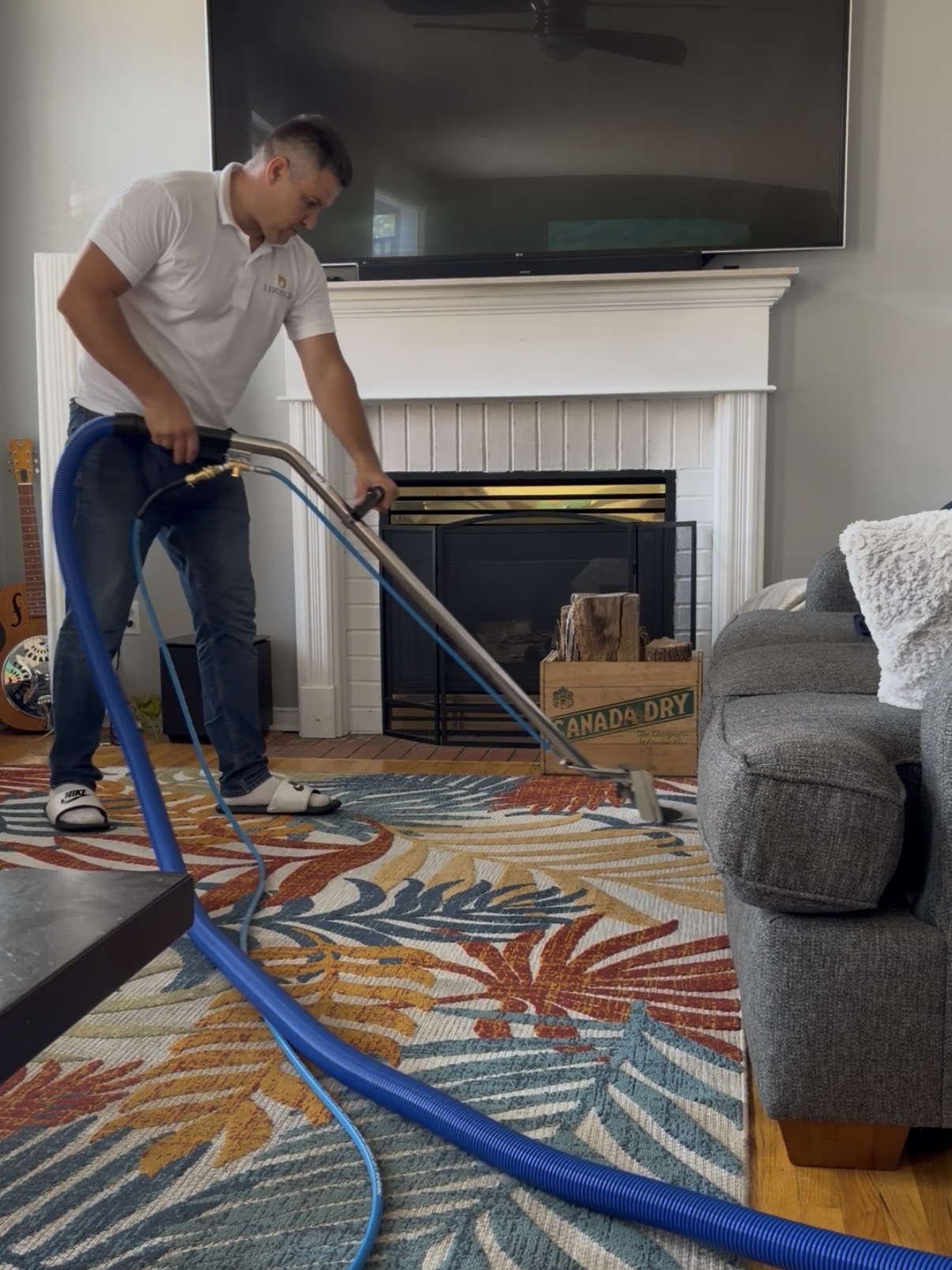
Maintained living areas may only need accessible dusting, vacuuming and floor care.

How to prepare your condo

  • Clear personal items from counters and floors
  • Secure pets and provide entry instructions
  • Reserve the service elevator if the building requires it
  • Confirm parking or loading access
  • Point out delicate surfaces, existing damage and stain concerns
  • Share your priority list before cleaning begins

This preparation does not replace cleaning. It simply keeps the team from spending booked time moving belongings or resolving building access.

Room-by-room decision guide

The same condo can need different cleaning levels in different rooms. A maintained bedroom may only need routine dusting and floors, while a heavily used kitchen may require deep cleaning. When the booking system allows room-by-room selection, match the level to the actual condition instead of upgrading every room automatically.

What you seeBetter starting pointReason
Light dust, fresh fingerprints, recently cleaned floorsRegularRoutine work should restore the room efficiently
Sticky grease on cabinet fronts or backsplashDeepResidue needs more dwell time and detail work
Visible soap film or mineral marks in the showerDeepOrdinary wiping may not remove accumulated buildup
Maintained rooms but dirty oven interiorRegular + oven add-onOne detailed extra does not require upgrading the whole condo
Empty condo before keys are returnedMove-out serviceVacant-property scope differs from routine maintenance

A practical priority plan when time is limited

If the booked time cannot cover every desired task, work from hygiene and high-use areas toward visual details. A practical order is: bathrooms, kitchen, floors in main traffic areas, dusting in occupied rooms, and then optional details. This is not a universal cleaning sequence; it is a way to protect the most important results when the scope must be limited.

  1. First priority — hygiene: toilet, sink, shower or tub, kitchen counters and sink.
  2. Second priority — daily contact: stovetop, appliance exteriors, handles and frequently used surfaces.
  3. Third priority — floors: entryway grit, kitchen and bathroom floors, then remaining selected rooms.
  4. Fourth priority — visual finish: dusting, mirrors, glass details and accessible trim.
  5. Separate extras: oven, refrigerator, cabinets, windows and balcony only when time and scope are confirmed.

Common checklist mistakes

  • Choosing by square footage alone. A small condo with heavy kitchen and bathroom buildup may take longer than a larger maintained unit.
  • Using “deep cleaning” as an unlimited label. A deep-cleaning level changes detail and effort, but the booking still has a defined scope.
  • Adding tasks during the appointment. New requests can displace original priorities or require additional time.
  • Leaving every surface covered. Cleaning around personal items reduces access and makes detailed results less predictable.
  • Booking routine cleaning for a move or renovation. Empty-unit edges, cabinet interiors and fine construction dust require different planning.

Example: two-bedroom Toronto condo

Consider a two-bedroom, two-bathroom condo that is occupied by two adults and cleaned every two weeks. If counters are clear and there is only recent dust and light bathroom residue, regular cleaning can focus on the kitchen, both bathrooms, accessible surfaces and floors. If the same unit has several months of grease on cabinet fronts, scale in both showers and dusty baseboards, deep cleaning is the more realistic starting point. Oven interior, refrigerator interior and balcony should still be selected separately.

After the reset, the unit can often move to a regular schedule. This avoids repeatedly paying for detailed restoration work and keeps the checklist shorter and more predictable on future visits.

Frequently asked questions

Does regular condo cleaning include baseboards?

Light accessible dusting may be possible, but detailed baseboard washing is normally associated with a deep clean or a confirmed priority. Ask what is included in the selected package.

Are the inside of the oven and refrigerator included?

Not automatically. Appliance interiors require additional time and should be selected when booking.

Should I choose deep cleaning for the first visit?

Choose it when the condo has accumulated grease, scale, dust on detailed surfaces or has not been professionally cleaned for an extended period. A maintained unit may only need regular or general cleaning.

Can cleaners work while I am away?

Yes, when secure entry instructions, concierge access and any alarm details are arranged in advance. Keep valuables and sensitive documents stored safely.

How much does condo cleaning cost?

Pricing depends on the selected cleaning level, team size, booked time, current condition and optional extras. Because package prices can change, check the live condo and apartment cleaning page for the current scope and total before booking.

Build the right checklist for your condo

Start with the condition of the unit, not the longest possible task list. Select the correct cleaning level, add only the extras you need and identify your main priorities. This creates a clearer booking and a more predictable result.

Quick answer

Most Toronto condos benefit from professional cleaning every two to four weeks. A weekly visit is usually better for homes with children, pets, frequent cooking or several occupants. A monthly visit can work for one or two adults who maintain the unit between appointments. The right frequency depends more on how the condo is used than on square footage alone.

Toronto condo cleaning frequency guide for weekly, bi-weekly, monthly and seasonal deep cleaning
Cleaning frequencyUsually works best forMain goal
WeeklyBusy households, pets, children, frequent cookingPrevent visible buildup
Every two weeksMost occupied condos with regular daily useKeep kitchens, bathrooms and floors consistently maintained
Every four weeksOne or two adults who clean between visitsHandle the detailed work that is easy to postpone
One-timeSeasonal reset, guests, move, long cleaning gapRestore the home before returning to maintenance

Choose the schedule by how quickly the condo changes

A 600-square-foot condo with two people, a dog and daily cooking can need more frequent cleaning than a larger unit occupied by one person. Watch how quickly the kitchen, bathroom, floors and dust-prone surfaces change after a visit. If the home looks noticeably overdue several days before the next appointment, the interval is probably too long.

Weekly cleaning

Weekly service is useful when the home generates new mess faster than the household can comfortably manage it. Common examples include pet hair on floors, children using several rooms, regular entertaining, daily cooking and two frequently used bathrooms. Shorter intervals also mean that cleaners spend less time fighting older residue and more time maintaining a stable result.

Every two weeks

Bi-weekly cleaning is the practical starting point for many Toronto condo households. It is frequent enough to control bathroom residue, kitchen grease, dust and floor soil without paying for weekly service when the unit stays reasonably tidy. This option works best when residents handle dishes, spills, clutter and light vacuuming between visits.

Every four weeks

Monthly professional cleaning can suit a low-traffic condo occupied by one or two adults. It assumes the household manages routine tasks between visits. Waiting four weeks is less suitable when pet hair, cooking residue or bathroom scale becomes visible well before the appointment. A monthly booking should not be expected to function like unlimited deep cleaning.

One-time or seasonal cleaning

A one-time visit makes sense before guests, after a busy period or when a regular schedule is not needed. If several cleaning cycles have been missed, start with Deep Cleaning and then move to a recurring plan. Our guide to signs that a home needs deep cleaning can help separate accumulated buildup from routine maintenance.

Five factors that should change the frequency

  1. Occupancy: more residents normally mean faster bathroom, kitchen and floor buildup.
  2. Pets: hair, paw marks, litter tracking and odour sources often shorten the useful interval.
  3. Cooking: frequent stovetop use creates grease and airborne residue even in a small kitchen.
  4. Children and guests: more movement adds fingerprints, crumbs, spills and floor soil.
  5. Your own routine: professional visits can be less frequent when residents manage clutter, dishes, spills and light maintenance consistently.

A simple test: is your current interval working?

  • The bathroom still looks maintained when the next visit is due.
  • Kitchen grease and crumbs have not become established buildup.
  • Floors need routine vacuuming or mopping, not repeated heavy passes.
  • The priority list fits the booked cleaner-hours.
  • You are not adding the same unfinished tasks at every appointment.

If two or more of these statements are regularly false, shorten the interval, increase the booked time or reset the unit with a more detailed first visit. If everything remains under control, extending the schedule may be reasonable.

What recurring condo cleaning should cover

A maintenance visit should prioritize the areas that affect daily comfort most: kitchen surfaces, sink and stovetop; bathroom fixtures, toilet and accessible shower surfaces; dusting of reachable areas; vacuuming; mopping; and waste removal. The exact result depends on the selected service, condition and cleaner-hours.

Usually suited to recurring cleaningMay require another service or add-on
Accessible counters and exterior appliance surfacesInside oven, refrigerator or heavily neglected cabinets
Routine bathroom residueSevere scale, damaged grout or mould remediation
Vacuuming and moppingCarpet or upholstery extraction
Reachable dustingPost-renovation fine dust
General tidying within the booked timeMove-in or move-out handover scope

For fibre-level soil or odour, use Carpet Cleaning or Upholstery Cleaning. For an empty unit handover, review Move-In / Move-Out Cleaning. Matching the service to the problem prevents unrealistic expectations from a routine appointment.

Regular visits help prevent ordinary bathroom residue from becoming a time-consuming detailed-cleaning task.

How much time should you book?

Frequency and duration work together. A small condo does not automatically need a short appointment, and a larger unit does not always need deep cleaning. Condition, bathrooms, pets, clutter and requested extras matter. Leronzo’s recurring cleaning rate is CAD $49 per cleaner per hour with a three-hour minimum. Confirm the current scope and total on the Weekly, Bi-Weekly & Every 4 Weeks Cleaning page before booking.

If your priority list is longer than the available time, rank it before arrival. Start with bathrooms and kitchen, then floors and dusting. The article What Can a Professional Cleaner Do in 3 Hours? explains why cleaner-hours and priorities matter more than a vague promise to clean everything.

Toronto condo logistics can reduce productive time

Condo cleaning involves more than unit size. Parking distance, elevator access, concierge procedures and restrictions on service entry can affect setup time. Before the appointment, register the cleaner if required, confirm visitor parking, provide the buzzer or access instructions and clear frequently used surfaces. These steps keep paid time focused on cleaning.

See the full Condo & Apartment Cleaning service for available options. Leronzo serves Toronto and the GTA, including North York, Mississauga, Markham and Ajax.

A recurring schedule is working when the unit stays manageable between professional visits.

How to start without overbooking

  1. Assess the current condition honestly: maintenance or accumulated buildup.
  2. Choose the three areas that matter most to you.
  3. Begin with a two-week interval if you are uncertain.
  4. After two or three visits, check whether the unit stays comfortable until the next appointment.
  5. Shorten or extend the interval based on actual condition, not a generic calendar rule.

Frequently asked questions

Is weekly condo cleaning excessive?

Not when the unit has high daily use, pets, children, frequent guests or regular cooking. Weekly service is excessive only if the home remains consistently maintained and the booked time has no meaningful priorities.

Is bi-weekly cleaning enough for most condos?

It is a sensible starting point for many occupied condos. Residents still need to manage dishes, spills, clutter and urgent messes between professional visits.

Can I book every four weeks?

Yes. Monthly service works best for lower-traffic units that receive light upkeep between appointments. If buildup repeatedly appears before the visit, shorten the interval.

Should the first visit be a deep clean?

Only when the current condition requires it. A maintained condo with light recent soil may be suitable for regular cleaning from the first appointment.

Does recurring cleaning include carpet extraction?

No. Vacuuming may be part of routine maintenance, while fibre-level washing and stain treatment require a carpet-cleaning service.

Can I change the frequency later?

Yes. Use the condition before each appointment as the guide. A schedule should adapt when occupancy, pets, work routines or household needs change.

Choose the interval your condo can maintain

Start with every two weeks if you are unsure. Move to weekly when the home becomes visibly overdue before the next visit, or extend to every four weeks when the unit remains controlled with light household upkeep. The best schedule is the one that prevents buildup without paying for unnecessary visits.

Quick answer

Your home probably needs deep cleaning when routine wiping, vacuuming and mopping no longer remove the visible buildup. The clearest signs are sticky kitchen grease, bathroom scale, dust on edges and vents, persistent odours, neglected baseboards, and rooms that still look tired after a normal clean.

Regular cleaning maintains a home that is already in manageable condition. Deep cleaning is a reset for accumulated residue and overlooked detail. The decision should be based on the condition of the surfaces—not only the size of the property or the date of the last visit.

Choose regular cleaning when…Choose deep cleaning when…
Dust and marks are light and recentGrease, scale or dust has built up over time
Kitchens and bathrooms are maintainedEdges, fixtures and neglected areas need detail
The home is cleaned weekly or bi-weeklyThe home has missed several cleaning cycles
You need consistent upkeepYou need a more detailed reset before maintenance

The 9 signs your home needs deep cleaning

1. Kitchen grease feels sticky after a normal wipe

Fresh cooking residue is usually suitable for routine cleaning. Older grease becomes tacky, traps dust and spreads across cabinet fronts, backsplash edges, range hoods and the areas beside appliances. If one quick pass does not lift it, the surface needs more time, the correct product and controlled agitation.

2. Bathroom scale and soap residue keep returning

White mineral marks on faucets, cloudy shower glass, residue around fixtures and buildup in tile edges are signs that maintenance cleaning is no longer enough. Deep cleaning can address removable deposits, but worn sealant, etched glass, damaged grout and permanent discolouration are not dirt and may require repair.

3. Baseboards, corners and door frames are visibly dusty

Regular visits usually focus first on kitchens, bathrooms, accessible surfaces and floors. When dust has settled on baseboards, trim, door frames, vents and difficult edges, a more detailed scope is needed. These areas take time because they cannot be cleaned effectively with a fast pass through the room.

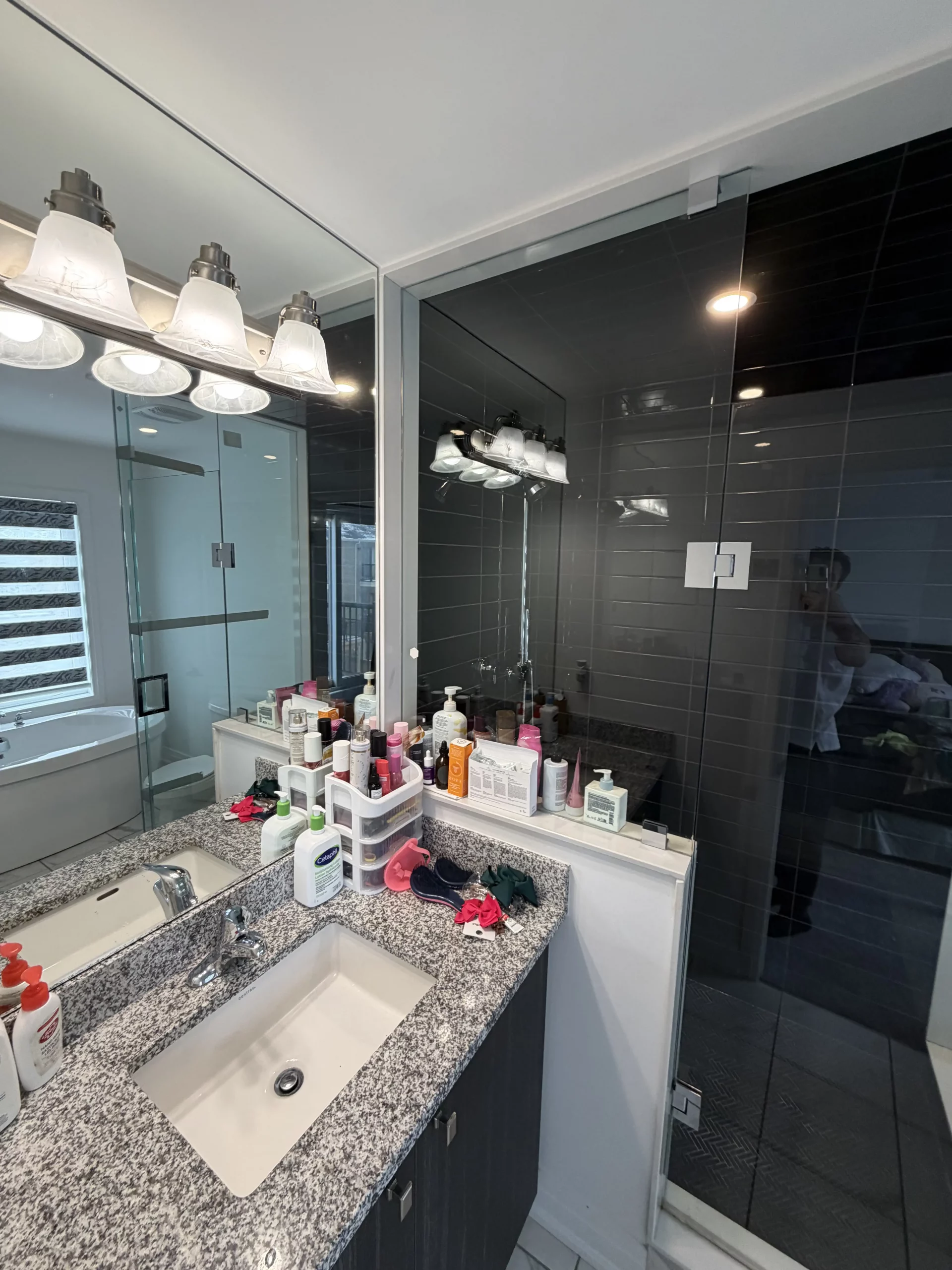
Bathroom vanity with personal items that should be cleared before deep cleaning
Clearing personal items from counters gives the cleaner direct access to the surfaces that need detailed work.

4. The home still looks dull after routine cleaning

A floor can be vacuumed, counters can be wiped and the room can still look unfinished. The cause is often accumulated detail: fingerprints on doors, dusty ledges, marked cabinet fronts, residue along fixtures or buildup around room edges. When many small issues appear together, a deep-cleaning reset is more efficient than repeatedly adding them to short maintenance visits.

5. Odours return shortly after cleaning

Persistent odours may come from bins, drains, food residue, pet areas or soft surfaces. Surface cleaning may improve the room temporarily without reaching the source. Identify the cause before booking: carpets, upholstery and mattresses require separate extraction services, while plumbing, mould or pest problems need the appropriate specialist rather than stronger household cleaning.

6. You avoid moving small items because dirt is underneath

If shelves, counters and bathroom vanities are crowded, cleaners must spend time handling objects before reaching the surface. Deep cleaning works best when personal items are removed or grouped in advance. Heavy furniture and appliances should be discussed separately; they are not automatically moved during a standard visit.

7. Several cleaning cycles have been missed

A home that normally receives weekly or bi-weekly care may need a reset after travel, illness, a busy season or a long gap between visits. One missed appointment does not automatically require deep cleaning. The deciding factor is whether ordinary dust and residue have become accumulated buildup.

8. You are preparing for a recurring schedule

Starting with a deep clean can establish a manageable baseline before weekly, bi-weekly or every-four-weeks service. After the reset, scheduled maintenance cleaning can focus on keeping the home stable instead of using each visit to catch up on older buildup.

9. Your priority list is longer than the booked time

If every room needs detailed edges, baseboards, cabinet fronts, heavy bathroom work and kitchen degreasing, a short regular visit is unlikely to cover the complete list. Choose a broader deep-cleaning scope, add cleaner-hours or split the work into priorities and a follow-up visit.

Deep cleaning is not the same as every special service

Deep cleaning addresses household buildup. It should not be used as a catch-all label for work that requires another process or equipment.

SituationBetter service
Fine drywall or renovation dustPost-Renovation Cleaning
Empty home before or after a moveMove-In / Move-Out Cleaning
Dirt or odour inside carpet fibresCarpet Cleaning
Sofa, chair or fabric contaminationUpholstery Cleaning
Exterior glass, frames or tracksWindow Cleaning

A 60-second decision checklist

  • Is there visible grease, scale or residue that survives a normal wipe?
  • Are baseboards, edges, vents or door frames part of the required result?
  • Has the property gone several weeks or months without thorough cleaning?
  • Do the kitchen and bathrooms need more than routine maintenance?
  • Are you trying to establish a clean baseline before recurring visits?

If you answer yes to two or more questions, review the Deep Cleaning service. If the home is already maintained and the issues are light, regular cleaning is usually the more appropriate—and more economical—choice.

How much does deep cleaning cost?

Leronzo’s current hourly options use a three-hour minimum. Basic Maintenance is CAD $39 per cleaner per hour, General Cleaning is CAD $49, and Deep Cleaning is CAD $59. That means one cleaner for the three-hour minimum starts at CAD $117, $147 or $177 respectively. The final price depends on the selected team, scope, property condition and add-ons; confirm the live total in the calculator before booking.

For house packages, current starting prices are CAD $119 for Basic, CAD $149 for General and CAD $179 for Deep Cleaning. Package and calculator pricing are different models: a timed package provides a team for a scheduled window, while the calculator prices a defined selection of rooms and extras.

How to prepare for a productive deep clean

  • Clear personal items: free counters, vanities and accessible surfaces.
  • Choose three priorities: identify the areas that matter most if time becomes limited.
  • Share access details: confirm parking, concierge procedures and elevator bookings for condos.
  • Separate pets safely: reduce interruptions and protect both pets and the team.
  • Confirm special materials: mention delicate stone, damaged finishes or surfaces with care instructions.
  • Book specialty work separately: carpet, upholstery, windows and renovation dust may need dedicated equipment or scope.
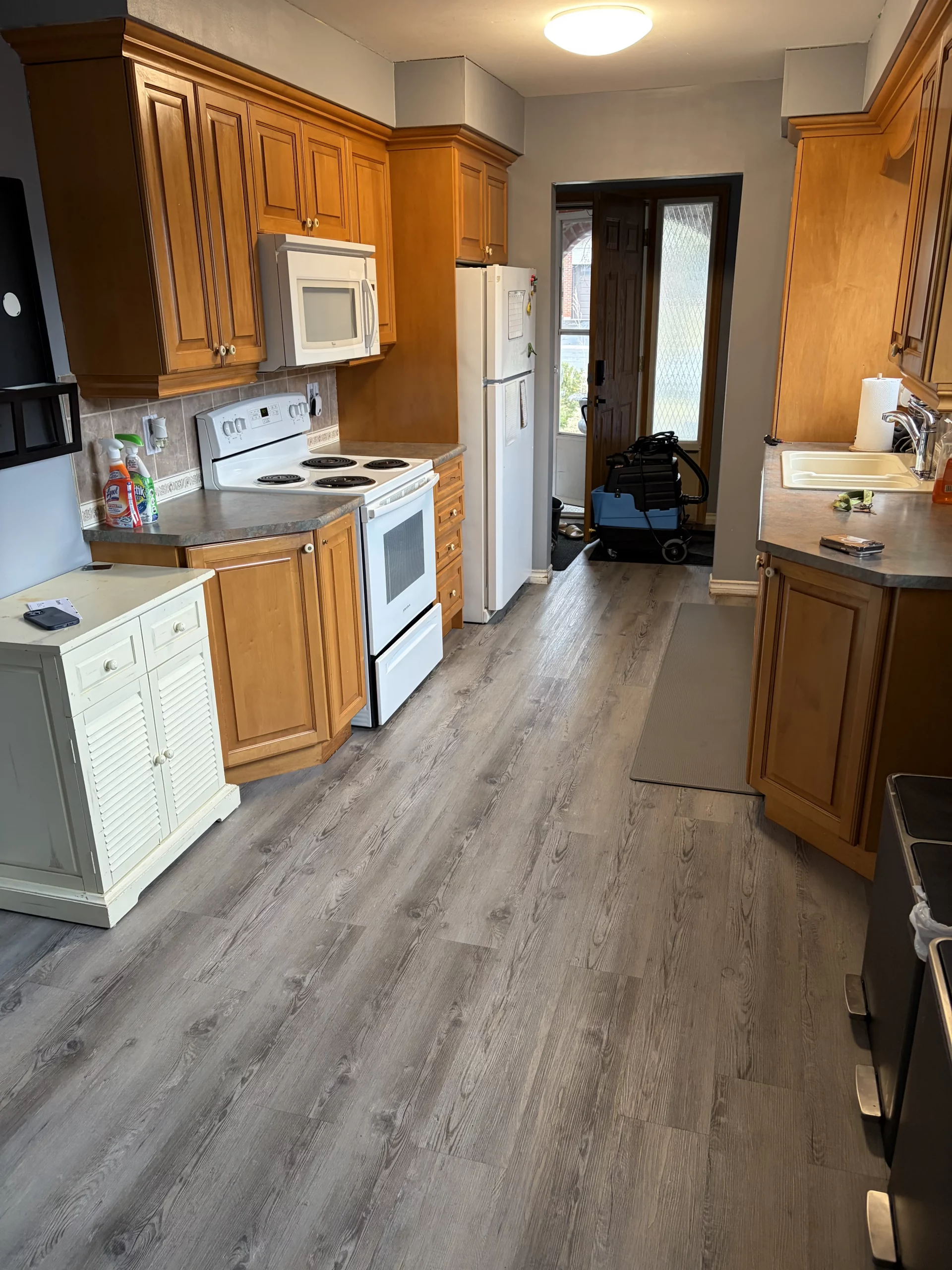
Clean residential kitchen after detailed professional cleaning
A maintained kitchen after detailed cleaning. The right cleaning level depends on buildup, not only room size.

Toronto condo and house considerations

Condo size alone does not predict the correct cleaning level. A compact unit with heavy kitchen grease and two used bathrooms may need more detailed work than a larger, regularly maintained home. In high-rise buildings, parking distance, elevator access and building rules can also reduce productive time if they are not arranged in advance.

For a larger property, review House Cleaning. Condo and apartment owners can compare options on the Condo & Apartment Cleaning page. Service is available across Toronto and the GTA, including North York, Mississauga, Markham and Ajax.

Frequently asked questions

How often should a home be deep cleaned?

There is no universal calendar. Homes with pets, children, frequent cooking or high bathroom use may need a reset sooner. A regularly maintained home may need deep cleaning only when visible buildup or neglected detail appears.

Should the first professional visit always be a deep clean?

No. Choose based on condition. A tidy home with light, recent dust may be suitable for Basic or General Cleaning even on the first visit.

Does deep cleaning include inside the oven and refrigerator?

Do not assume it does. Appliance interiors and other detailed add-ons should be selected or confirmed when booking.

Can deep cleaning remove mould or permanent stains?

Deep cleaning can remove appropriate surface residue, but severe mould, damaged grout, etched glass, worn finishes and permanent colour changes may require remediation, repair or replacement.

Is deep cleaning the same as move-out cleaning?

No. Move-out cleaning is designed for an empty-property handover and may include a different scope. Choose the service that matches the actual situation.

Can I book deep cleaning for only selected rooms?

Yes. A defined scope can focus on a kitchen, bathrooms or other priorities. Use the calculator to select rooms and relevant extras.

Choose the cleaning level by condition

Do not pay for a deep clean when a maintained home only needs routine upkeep—and do not book maintenance cleaning for heavy buildup. Match the service to the actual condition, confirm the priority rooms and choose enough cleaner-hours for the result you expect.

Quick answer

Start dry: let the area dry, loosen the crust gently and vacuum thoroughly. Then test: use a small amount of clean water or a carpet-safe product in a hidden area. Stop if the mark spreads, colour changes or the carpet stays unusually wet. White winter residue can return when dissolved material remains below the visible fibres, so repeated surface wiping may not solve the problem.

Toronto winters bring snow, slush and de-icing material through entrances, condo corridors, stair landings and vehicle mats. Once the moisture dries, a pale line or hard white edge may remain on the carpet. The mark may be simple surface residue, but it can also include tracked soil, detergent from an earlier attempt or contamination that has moved deeper into the carpet.

Fresh surface residue

Usually feels dry or slightly crusty and may improve after careful vacuuming and controlled rinsing.

Recurring white ring

May indicate remaining residue or moisture moving material back toward the surface as the carpet dries.

Colour or fibre change

A pale area that does not respond may be dye loss, wear or fibre distortion rather than removable soil.

Why winter salt marks come back

The visible white patch is often only the top of the problem. Meltwater carries fine particles into the pile. If the area is saturated during cleaning, dissolved residue can move into the backing. As the carpet dries, moisture travels upward and may leave another pale edge at the surface. This is commonly described as spot reappearance or wicking.

  • Too little removal: wiping changes the appearance but leaves material in the fibres.
  • Too much water: flooding moves contamination deeper and increases drying time.
  • Too much detergent: cleaner that is not fully removed can leave its own residue and attract soil.
  • Fast surface drying: the top looks dry while deeper layers still contain moisture.

Is it salt, soil or permanent damage?

What you seePossible explanationPractical next step
Dry white crystals or a crustSurface de-icing residueDry, loosen gently and vacuum before adding moisture
Grey-brown traffic laneSalt mixed with outdoor soilControlled cleaning across the full traffic area, not only one dot
White ring that returns after dryingResidue or contamination below the surfaceStop repeated soaking and consider extraction
Pale patch with unchanged texturePossible colour lossGet an assessment before applying another product
Flattened or rough fibresWear, abrasion or chemical damageCleaning may improve soil but cannot rebuild damaged fibres

For a broader explanation of removable staining versus permanent change, read What Carpet Stains Can and Cannot Be Removed Professionally in Toronto?

A careful DIY method for a small salt mark

This method is suitable only for a limited area on carpet that is approved for wet cleaning. Follow the carpet manufacturer’s care instructions first. The Carpet and Rug Institute Spot Solver is also a useful starting point for product and stain-care guidance.

  1. Let the area dry. Do not grind wet slush deeper into the pile.
  2. Remove dry material. Loosen the crust gently with a spoon edge or soft brush, then vacuum slowly in more than one direction.
  3. Test first. Apply a small amount of clean water or a carpet-approved product to a hidden area and blot with a white cloth.
  4. Work from the outside inward. Use minimal moisture and blot rather than scrub.
  5. Remove what you dissolved. Transfer moisture and residue into clean white towels. Do not leave the carpet saturated.
  6. Dry and reassess. Keep air moving, restrict foot traffic and inspect only after the area is fully dry.

Stop and reassess if

  • Colour transfers to the towel.
  • The fibres become rough, sticky or distorted.
  • The mark spreads beyond the original boundary.
  • The same white ring returns after drying.
  • The backing or floor below may have become wet.

What not to do

Do not keep adding detergent

More product does not guarantee more removal. It can create foam, leave residue and make later rinsing more difficult.

Do not mix household chemicals

Unknown combinations can affect carpet dyes, backing and indoor air. Use one tested carpet-safe method at a time.

Do not scrub aggressively

Hard rubbing can spread the mark, untwist fibres and create a worn-looking patch even after the residue is gone.

Do not judge while wet

Wet carpet reflects light differently. Wait until it dries before deciding whether another treatment is needed.

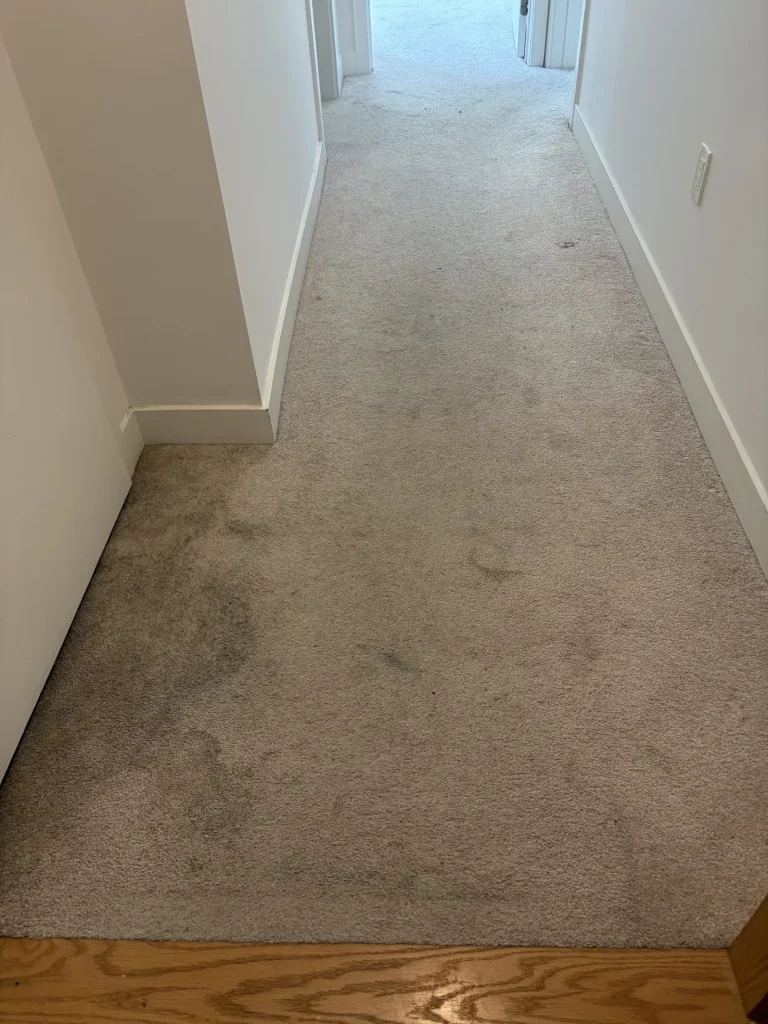
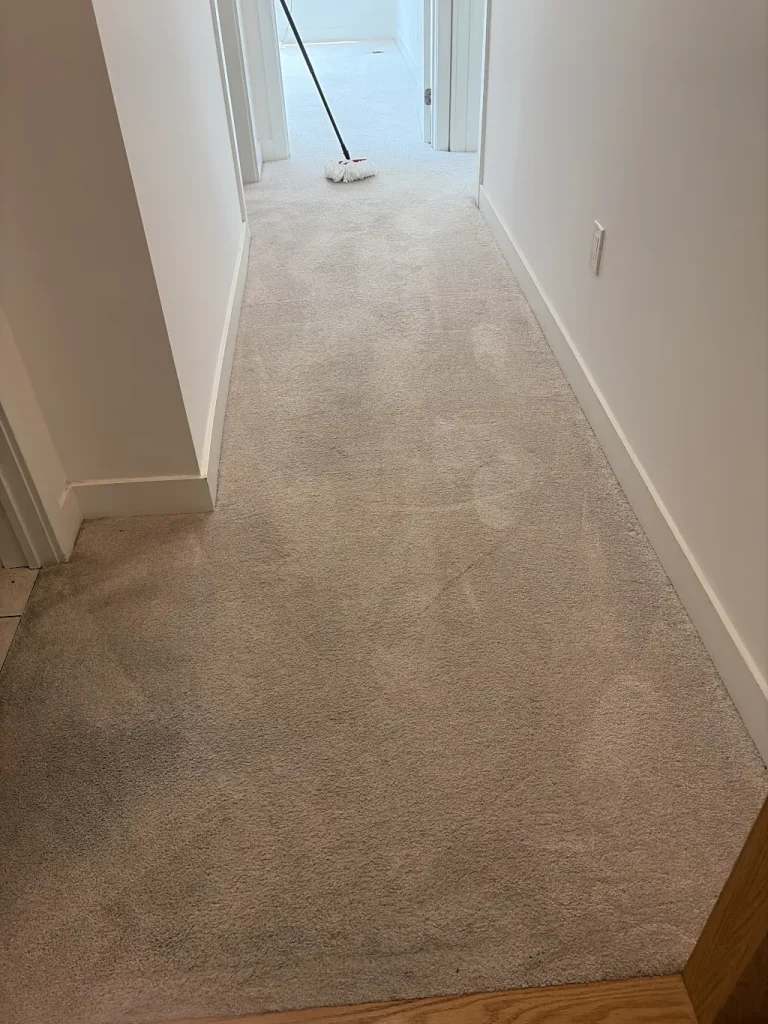
Before and after controlled carpet extraction

Soiled carpeted hallway before professional extraction cleaning in Toronto
Before: visible traffic soil across the hallway.
Carpeted hallway after professional extraction cleaning in Toronto
After: the full traffic area cleaned evenly.

The photos show general soil removal rather than a guaranteed result for every salt mark. Fibre condition, previous products and the depth of contamination all affect the outcome.

When DIY is reasonable—and when professional cleaning is safer

SituationReasonable starting pointWhy
Fresh, small mark on known synthetic carpetCareful dry removal and spot treatmentThe area is limited and the fibre is known
Several entrance or hallway marksProfessional cleaningEven cleaning across the traffic lane reduces patchy results
White ring returns after dryingProfessional extraction assessmentResidue may remain below the visible fibres
Wool, viscose or unknown fibreTest and professional assessmentMoisture, agitation and chemistry require more control
Condo common-area trackingCoordinate access and clean the full affected routeElevator, corridor and entry soil may be connected
Move-out or property inspectionProfessional cleaningA consistent finished appearance matters more than treating one isolated mark

If you are deciding between rented equipment and a service visit, compare the full process in Rental Carpet Cleaner vs Professional Cleaning.

Toronto condo and high-rise considerations

In a condo, salt often appears near the suite entrance but may have been carried from the garage, lobby or elevator. Before cleaning, confirm whether the affected carpet belongs to the unit or the condominium corporation. For an in-suite appointment, arrange parking and elevator access if equipment must move through common areas. Keep the route clear and tell the cleaner about building rules, water access and any previous products used on the stain.

Portable extraction equipment can be practical where truck-mounted access is not available. The important point is controlled rinsing and moisture removal—not simply using the largest machine.

How to prevent winter salt buildup

  • Use an outdoor scraper mat and a separate absorbent indoor mat.
  • Leave wet footwear on a waterproof tray rather than directly on carpet.
  • Vacuum entrance paths regularly after tracked material has dried.
  • Blot fresh meltwater promptly without spreading it into a larger area.
  • Rotate or clean mats before they become a source of residue themselves.
  • Address recurring marks before repeated wet treatments build up more residue.

Current professional carpet-cleaning prices

Leronzo rooms start at $39, with a $149 minimum service. Current fixed-price packages range from $149–$269 for condos, $229–$359 for townhouses and $249–$419 for houses. Package selection depends on property type and carpeted bedrooms; basements and additional areas are separate.

Carpet cleaning across Toronto and the GTA

Professional carpet cleaning is available across Toronto and the GTA, including North York, Mississauga, Ajax and Oshawa. Review the full process, package inclusions and current pricing on the Carpet Cleaning service page.

Frequently asked questions

Why does the white salt mark return after the carpet dries?

Moisture may carry dissolved residue back toward the surface during drying. Repeated surface wiping can improve the mark temporarily without removing what remains deeper in the pile or backing.

Can I use vinegar on a salt stain?

Do not assume a homemade mixture is safe for every carpet. Check the manufacturer’s instructions, test in a hidden area and avoid combining products. Unknown fibres or previous treatments justify professional assessment.

Should I vacuum the salt before wet cleaning?

Yes, when the area is completely dry. Removing loose material first reduces the amount that can dissolve and travel deeper once moisture is added.

Can aggressive scrubbing remove the white crust faster?

It may spread residue and damage the appearance of the pile. Loosen dry material gently, vacuum and use controlled blotting rather than hard rubbing.

How long should the carpet take to dry?

Drying time varies with fibre density, moisture level, ventilation, temperature and humidity. Keep air moving and avoid normal foot traffic until the carpet is dry.

Will professional cleaning remove every salt stain?

No responsible cleaner can guarantee every mark. Residue and soil may be removable, while dye loss, wear or previous chemical damage can remain.

When should I stop DIY treatment?

Stop if colour transfers, fibres change texture, the mark spreads, the same ring repeatedly returns or the carpet becomes wetter than you can remove safely.

Remove the residue—not just the white line

A small fresh mark may respond to careful dry removal and limited spot treatment. A recurring ring, large traffic area or unknown carpet needs a more controlled plan. Start with the least aggressive safe method, remove dissolved material rather than spreading it, and judge the result only after complete drying.

Quick answer

A rental carpet cleaner can help with light surface soil, a fresh spill or a small maintenance job when the carpet is colourfast and the operator follows the instructions carefully. Professional carpet cleaning is usually the safer choice for full rooms, embedded traffic soil, recurring spots, pet contamination, delicate fibres or carpets that have already been treated with several household products. The main difference is not simply the size of the machine: it is the inspection, chemistry, agitation, extraction control and drying plan used around it.

Rental machine

Best for a limited, low-risk task when you have time to prepare, clean slowly and make extra dry passes.

Professional cleaning

Better suited to larger areas, uncertain stains, odours, heavy traffic lanes and situations where moisture control matters.

Neither guarantees every stain

Permanent dye loss, fibre damage and contamination below the carpet may remain even after correct cleaning.

The phrase “carpet cleaner” can describe very different jobs. A homeowner may want to refresh one small room after a spill. Another property may have dark traffic lanes, sticky residue, pet odour and several products already applied. Comparing only the rental fee with a service price misses the most important question: what condition is the carpet in, and what result is realistically possible?

Rental carpet cleaner vs professional cleaning

FactorRental machineProfessional service
AssessmentYou identify the fibre, soil and previous productsThe cleaner inspects the carpet and confirms the treatment plan
Cleaning chemistryUsually limited to products supplied or approved for the machineSelected for the fibre, soil type and specific problem areas
AgitationDepends on the machine and your techniqueAdjusted to the carpet construction and level of soil
ExtractionVaries by machine condition, tank setup and operating speedControlled through equipment choice, passes and moisture checks
DryingYou manage ventilation, dry passes and room accessThe cleaner plans moisture removal and explains drying conditions
Best useSmall, straightforward maintenance tasksWhole rooms, heavy soil, recurring spots, odours or uncertain fibres

What professional carpet cleaning costs in Toronto

Leronzo rooms start at $39, with a $149 minimum service. For larger jobs, current fixed-price packages provide a clearer comparison:

Property typeCurrent package rangePackage basis
Condo or apartment$149–$2691–4 carpeted bedrooms; main hallway included
Townhouse$229–$3592–5 carpeted bedrooms; main hallway and staircase included
House$249–$4192–5 carpeted bedrooms; main hallway and staircase included

Basements, extra rooms and additional carpeted areas are priced separately. Check the current inclusions and exact package on the Carpet Cleaning page before booking.

What a rental carpet cleaner can do well

A rental unit can be a reasonable option when the job is simple and the carpet is in sound condition. It may improve a lightly soiled guest room, rinse a recently treated water-based spill or freshen a small area between professional cleanings. The operator still needs enough time for vacuuming, treatment, slow extraction passes, tank changes and drying.

  • Use the machine only on carpet approved for wet extraction.
  • Vacuum dry soil before adding moisture.
  • Follow the carpet manufacturer and rental-machine instructions.
  • Test any product in an inconspicuous area first.
  • Blot spills rather than aggressively rubbing the fibres.
  • Make dry extraction passes and keep air moving through the room.

The Carpet and Rug Institute recommends acting quickly, testing solutions in a hidden area and working gently from the outside of a spill toward the centre. Those precautions matter whether the work is DIY or professional.

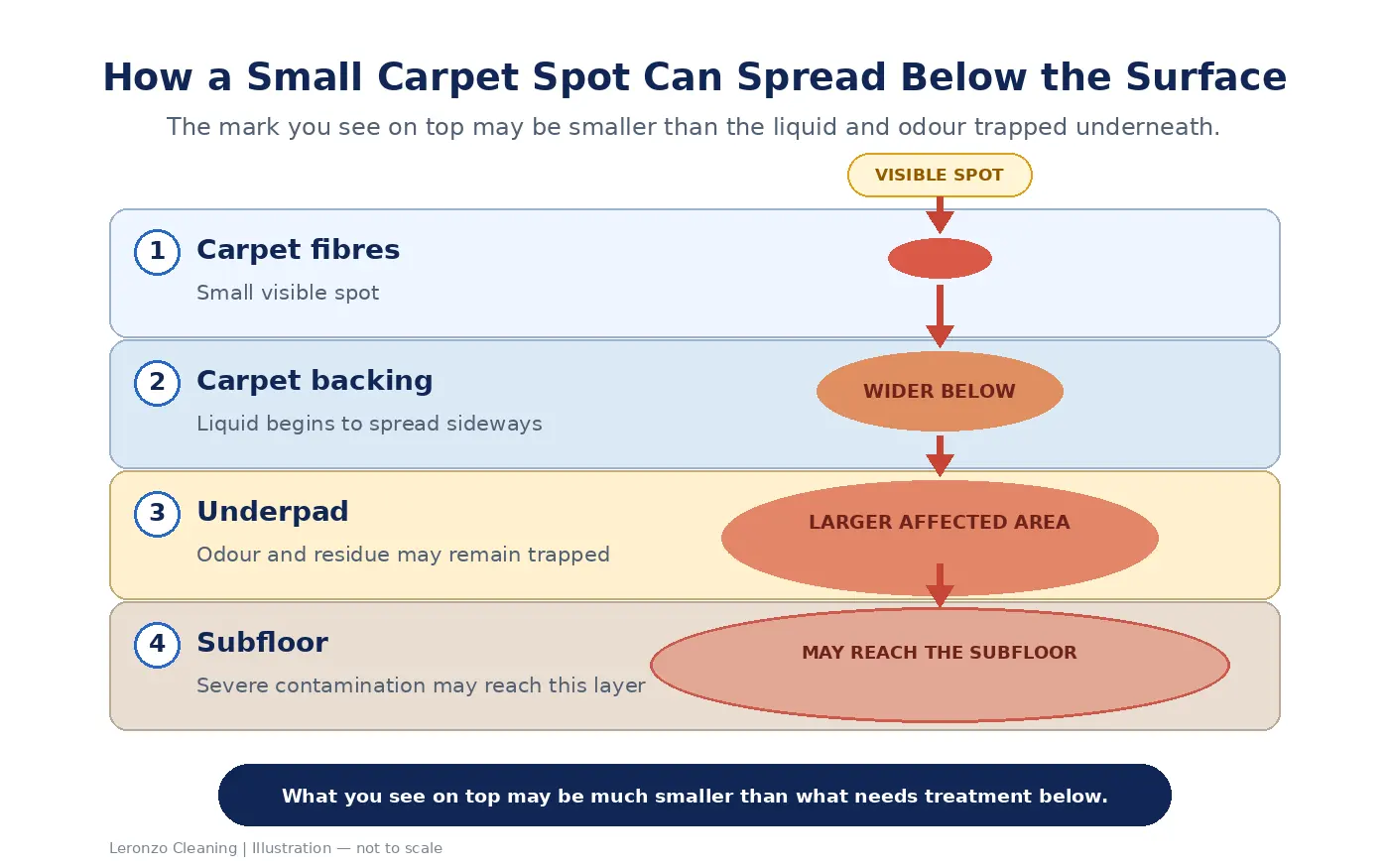
Diagram showing how carpet contamination can extend below the visible fibres

Where DIY extraction becomes risky

Too much moisture

Repeated wet passes without enough extraction can leave the carpet and backing wetter than expected. Dense carpet, cool rooms, poor airflow and humid conditions can extend drying time.

Detergent residue

Adding more solution does not automatically clean better. Product that is not adequately rinsed and extracted may leave fibres stiff or attract soil more quickly.

Spot reappearance

A mark can return as the carpet dries when dissolved material travels upward from deeper layers. Reappearing colour can also indicate that the visible spot was only part of a larger problem.

Unknown chemistry

Mixing products or treating an area repeatedly can change dyes, leave residue or make later treatment more difficult. Stop when the fibre reacts unexpectedly.

What professional carpet cleaning adds

Professional cleaning should be a controlled process rather than a single pass with a stronger machine. The technician considers fibre type, carpet construction, soil level, previous treatments and the depth of the problem before selecting products and equipment.

  1. Inspection: identify visible soil, spots, wear, dye change and access limitations.
  2. Dry-soil removal: remove loose particles before wet treatment where appropriate.
  3. Testing and pre-treatment: match the product and dwell time to the carpet and contaminant.
  4. Agitation: distribute treatment without unnecessary fibre damage.
  5. Rinsing and extraction: remove suspended soil, solution and excess moisture.
  6. Final review: assess remaining marks, grooming needs and expected drying conditions.

For the service process used across Toronto and the GTA, see Carpet Cleaning. You can also review current starting rates on the Prices page before choosing a room-based or square-foot estimate.

When to rent—and when to call a professional

SituationMore practical starting pointWhy
Fresh, small water-based spillCareful spot treatment or a small DIY jobThe affected area is limited and can be treated promptly
One lightly soiled roomRental may be reasonableThe scope is simple if the carpet allows wet extraction
Several rooms or stairsProfessional cleaningConsistency, extraction and drying become more important
Dark traffic lanesProfessional assessmentSoil, wear and fibre distortion can look similar
Pet urine or recurring odourTargeted professional inspectionThe source may extend into backing, padding or subfloor
Bleach mark or visible dye lossAssessment before cleaningCleaning cannot restore colour that has been chemically removed
Delicate or unknown fibreProfessional assessmentTesting reduces the risk of texture or colour change

Toronto condo and high-rise considerations

In a condo, the decision also depends on elevator booking, parking, water access, noise rules and how equipment can be moved through common areas. A compact rental machine may be convenient, but the resident still has to transport it, protect the route, empty recovery water correctly and manage drying inside a smaller space. Professional portable extraction equipment can also be used in buildings where truck-mounted access is not practical.

If you live in a tower or apartment building, read Can Carpet Cleaning Be Done in a Toronto High-Rise Condo? before booking the elevator or arranging parking.

Do not confuse a stain with damage

Cleaning removes soil and contaminants; it does not reverse every physical or chemical change. A dark area may be embedded soil, but it may also include crushed fibres. A pale patch may be residue, or it may be permanent colour loss. A recurring odour may be on the surface, or it may come from padding or subfloor. This is why a responsible cleaner evaluates the condition before promising a result.

For examples of removable staining, permanent colour change and realistic outcomes, see What Carpet Stains Can and Cannot Be Removed Professionally in Toronto?. Pet accidents require a separate depth assessment; standard room cleaning may not address contamination below the fibres.

A simple decision checklist

  • How many rooms, stairs and carpeted landings need cleaning?
  • Is the problem general soil, a specific stain, an odour or visible damage?
  • Do you know the fibre and the products previously used?
  • Can you allow enough time for preparation, cleaning and drying?
  • Can you create airflow and keep people and pets off damp carpet?
  • Would a poor result require paying for a second cleaning anyway?

Related carpet and fabric services

Carpet Cleaning

Room-based and square-foot extraction cleaning for carpets, hallways, stairs and selected areas.

Upholstery Cleaning

Material-aware cleaning for sofas, chairs, sectionals, ottomans and other upholstered furniture.

Pet Stain & Odor Removal

Targeted assessment when urine, recurring odour or contamination may extend below the carpet fibres.

Carpet cleaning across Toronto and the GTA

Professional carpet and upholstery cleaning is available across the GTA, including North York, Mississauga, Markham and Ajax. Condo elevator access, parking, stairs and equipment routes should be confirmed before the visit.

Frequently asked questions

Is a rental carpet cleaner strong enough for an entire house?

It may clean multiple rooms, but the practical result depends on the machine, carpet condition, preparation, extraction technique, tank changes and drying conditions. For a large or heavily soiled home, professional equipment and a planned workflow are usually more consistent.

Can I use more detergent for a better result?

No. Use only the amount permitted by the product and machine instructions. Excess detergent can be difficult to rinse and may leave residue in the carpet.

Why did a spot return after the carpet dried?

The visible material may have extended deeper than the fibres, or some product and soil may have remained after extraction. As moisture moves upward during drying, the mark can reappear. The area should be reassessed before adding more chemicals.

Will professional cleaning remove every stain?

No. Many spots improve or disappear, but permanent dye change, fibre damage, wear and contamination below the carpet may remain. A technician should explain the likely outcome after inspection.

How do I compare the real cost of DIY and professional cleaning?

Include the rental period, cleaning products, transport, your preparation and operating time, drying equipment if needed, and the possibility of repeating the job. Then compare that total effort with a professional quote for the same rooms and condition.

Choose the method that matches the carpet

A rental machine is useful when the task is small, straightforward and low risk. Professional cleaning becomes more valuable as the area, soil level, uncertainty and consequences of over-wetting increase. Start with the carpet condition rather than the machine label, and choose the least aggressive process that can realistically complete the job.

Quick answer

Three hours can provide three cleaner-hours with one cleaner, six cleaner-hours with two cleaners, or nine cleaner-hours with three cleaners. In a maintained studio or small one-bedroom, one cleaner may complete a focused maintenance visit. In a two-bedroom, one-bathroom condo, two cleaners may cover the kitchen, bathroom, accessible surfaces and floors during the same three-hour window. These are planning examples—not guarantees—because buildup, clutter, add-ons and the selected cleaning level change the result.

3-hour minimum

Choose the team size and cleaning level that match the scope.

1–5 cleaners

More cleaners increase total cleaner-hours without extending the visit.

Priorities first

The team works through your confirmed list during the booked time.

When a cleaning company says “three hours,” the most important detail is the number of cleaners. One cleaner for three hours is not the same amount of labour as two cleaners for three hours. Understanding cleaner-hours makes it easier to choose a realistic team, set priorities, and avoid expecting an entire heavily soiled home to be reset during a short visit.

How cleaner-hours work

Cleaner-hours are calculated by multiplying the number of cleaners by the time on site. The visit may still last three hours, but a larger team completes more total labour during that window.

TeamTime on siteTotal cleaner-hoursTypical use
1 cleaner3 hours3Selected rooms or focused priorities
2 cleaners3 hours6Apartment, condo or several priority areas
3 cleaners3 hours9Larger home or a broader confirmed scope

What may fit in three hours by home size?

Home size helps with planning, but condition and requested detail matter just as much. The examples below assume accessible surfaces and a home without severe buildup. They show a realistic starting scope rather than a completion guarantee.

HomePractical teamPossible three-hour priority
Studio or 1 bedroom1–2 cleanersFocused maintenance; a broader whole-home scope may fit when the home is regularly maintained
2 bedrooms / 1 bathroom2 cleanersKitchen, bathroom, accessible surfaces, living areas and floors
3 bedrooms / 2 bathrooms2–3 cleanersKitchen, bathrooms and floors first; bedrooms and detailed dusting as time allows
4–5 bedrooms / 3+ bathrooms3+ cleanersConfirmed priority zones or a package designed for a larger home

Deep grease, soap buildup, pet hair, inside appliances, baseboards, interior windows and detailed wall work can reduce the area completed during the visit. When those tasks matter, increase the cleaner-hours or narrow the priority list.

A larger team does not mean that every possible task is automatically included. The cleaning level and requested scope still matter. Inside appliances, cabinets, detailed wall washing, heavy buildup, renovation residue and specialty stain treatment may require more time or a separate service.

Professional cleaner maintaining a kitchen during a scheduled home cleaning visit

Current three-hour cleaning rates

Leronzo Cleaning Group uses different hourly rates for different cleaning levels. The prices below were reviewed in September 2026. Always check the current service page before booking because the selected scope and add-ons can change the final total.

Cleaning levelRate per cleaner/hour1 cleaner × 3 hours2 cleaners × 3 hours
Basic MaintenanceCAD $39CAD $117CAD $234
General CleaningCAD $49CAD $147CAD $294
Deep CleaningCAD $59CAD $177CAD $354

Basic Maintenance Cleaning is intended for homes already kept in manageable condition. General Cleaning allows more detailed household work. Deep Cleaning is designed for heavier buildup and detailed priorities. If you are unsure which level fits, compare Basic, General and Deep Cleaning before selecting a team.

What can one cleaner realistically complete?

One cleaner working for three hours is usually best for a focused list rather than a complete reset of a large home. Depending on the condition, access and cleaning level, priorities might include:

  • a kitchen and one bathroom in maintainable condition;
  • two bathrooms and accessible floors;
  • a studio or small one-bedroom maintenance visit;
  • selected dusting, vacuuming and mopping priorities;
  • a few rooms selected through the calculator.

This is a planning example, not a completion guarantee. Grease, soap buildup, pet hair, clutter, mineral deposits and detailed add-ons can change how much fits into the visit.

What changes with two or three cleaners?

Two cleaners: six cleaner-hours

A two-person team can divide kitchens, bathrooms, living areas and floors. This setup is commonly suitable for a condo, apartment or several priority rooms when the scope is confirmed in advance.

Three cleaners: nine cleaner-hours

A three-person team provides broader coverage during the same three-hour visit. It can suit a larger house, multiple floors or a time-sensitive visit, provided the home is ready and the priorities are realistic.

Example: two-bedroom condo

A two-bedroom condo needs the kitchen, two bathrooms, accessible surfaces and floors prioritized. Two cleaners working for three hours provide six cleaner-hours. Basic Maintenance would total CAD $234, General Cleaning CAD $294, and Deep Cleaning CAD $354. The appropriate level depends on the buildup and requested detail—not only the number of bedrooms.

What is normally included—and what requires confirmation?

Common priorities

  • accessible kitchen and bathroom surfaces;
  • dusting open, reachable surfaces;
  • vacuuming carpets and open floor areas;
  • mopping suitable hard floors;
  • doors, handles and visible touchpoints.

Confirm separately

  • inside the oven, refrigerator or cabinets;
  • detailed interior window cleaning;
  • moving heavy furniture or appliances;
  • carpet, upholstery or mattress extraction;
  • post-renovation dust and contractor residue.

How to get more value from a three-hour visit

  1. Choose the correct cleaning level. Maintenance pricing is not designed for heavy grease or long-term buildup.
  2. Set priorities before arrival. Identify the rooms and tasks that matter most.
  3. Clear accessible surfaces. Removing personal items lets the team spend more time cleaning.
  4. Arrange access and parking. Condo elevators, concierge procedures and distant parking reduce useful time when not planned.
  5. Keep pets safely separated. This protects the pet and prevents interruptions.
  6. Add time when the scope is larger. A realistic booking produces a better result than an overloaded priority list.

A simple priority order

If you are unsure where the team should start, use this order and adjust it to your home:

  1. Kitchen: counters, sink, stovetop and accessible exterior surfaces.
  2. Bathrooms: toilet, sink, shower or tub and mirrors.
  3. Floors: vacuuming and suitable hard-floor mopping.
  4. Dusting: open and reachable surfaces in priority rooms.
  5. Extras: only after the essential rooms are complete or when specifically booked.

Send the three most important priorities before arrival. Avoid adding new tasks during the visit unless you are comfortable moving a lower priority to the end of the list.

When three hours may not be enough

Additional time or a larger team may be needed for heavy kitchen grease, multiple bathrooms with buildup, detailed baseboards, inside appliances, furnished move-in or move-out work, pet hair throughout the property, or renovation dust. A whole-home result also depends on whether the space is a studio, condo, townhouse or multi-level house.

Four ways to adjust a three-hour booking

Add time

Use more hours when the same team needs to complete a larger confirmed scope.

Add cleaners

Increase cleaner-hours without extending the three-hour visit.

Split the work

Complete essential rooms first and schedule detailed areas for a second visit.

Narrow priorities

Choose the rooms that matter most instead of expecting the entire property.

For an entire regularly maintained home, review House Cleaning or Condo & Apartment Cleaning. For an empty property or turnover, use Move-In/Move-Out Cleaning. Renovation dust requires the dedicated Post-Renovation Cleaning process.

Related cleaning services

Scheduled Cleaning

Routine Basic Maintenance for homes that need weekly, bi-weekly or every-four-weeks upkeep.

Deep Cleaning

For heavier buildup, detailed priorities and homes that need more than routine maintenance.

Custom Estimate

Select rooms and add-ons when you want the estimate based on a defined scope.

Cleaning service across Toronto and the GTA

Hourly and package cleaning is available across the GTA, including North York, Scarborough, Oshawa and Ajax. Access, parking and building rules should be confirmed before the visit.

Related guides

Frequently asked questions

Is the three-hour minimum per cleaner or per team?

The rate is per cleaner per hour. Two cleaners for three hours provide six cleaner-hours and are priced as two cleaners working for the full visit.

Does three hours guarantee that every requested task will be finished?

No. Hourly cleaning is time-based. The team works through the confirmed priorities during the booked time. Additional time can be added when available and approved.

Is one cleaner or two cleaners better?

One cleaner can be suitable for selected rooms or a small maintenance visit. Two cleaners provide six cleaner-hours in the same three-hour window and can divide work across more rooms.

Can I book only bathrooms, the kitchen or selected rooms?

Yes. Hourly cleaning and the calculator are appropriate when you want to prioritize selected rooms instead of booking the entire property.

Should I choose Deep Cleaning for the first visit?

Choose Deep Cleaning when there is heavy grease, accumulated soap residue, detailed buildup or the home has not been professionally cleaned for a long time. Regularly maintained homes may only need Basic or General Cleaning.

Can window cleaning be included in the three-hour visit?

Only when it is confirmed as part of the scope. Interior windows require additional time and exterior access may need a separate window-cleaning service. Do not assume windows are included in a standard three-hour home-cleaning visit.

Can the visit be extended if the team needs more time?

Additional time may be available when the cleaners’ schedule allows it and the extension is approved. If the team cannot stay longer, they will continue through the agreed priorities until the booked time ends.

Choose the right team and cleaning time

Start with the condition of the home and the rooms that matter most. Then choose the cleaning level, team size and number of hours. A realistic scope gives the team enough time to complete the highest priorities properly.

Current Toronto package prices, hourly rates, scope limits and the factors that change the final cost.

Post-renovation cleaning in Toronto currently starts at CAD $177 for a studio or one-bedroom package. A 2–3 bedroom package is CAD $354, and a 4–5 bedroom package is CAD $531. Priority renovation cleaning is also available at CAD $59 per cleaner per hour with a three-hour minimum. The final cost depends on how far fine dust has travelled, the size of the affected area, the condition of new finishes and whether extra services are required.

Post-renovation cleaning prices in Toronto for 2026

The prices below are the current package prices displayed by Leronzo Cleaning Group for Toronto and the GTA. Each package provides a recommended team for a three-hour visit. It is a time-based service: the team works through the confirmed priorities during the booked time rather than promising an unlimited list of tasks.

Property sizeTeamTime on siteTotal cleaner-hoursPackage price
Studio / 1 bedroom1 cleaner3 hours3CAD $177
2–3 bedrooms2 cleaners3 hours6CAD $354
4–5 bedrooms3 cleaners3 hours9CAD $531

For selected rooms, dust-heavy areas or final touch-ups, hourly cleaning is CAD $59 per cleaner per hour with a three-hour minimum. Extra time can be added when the condition or requested scope requires it.

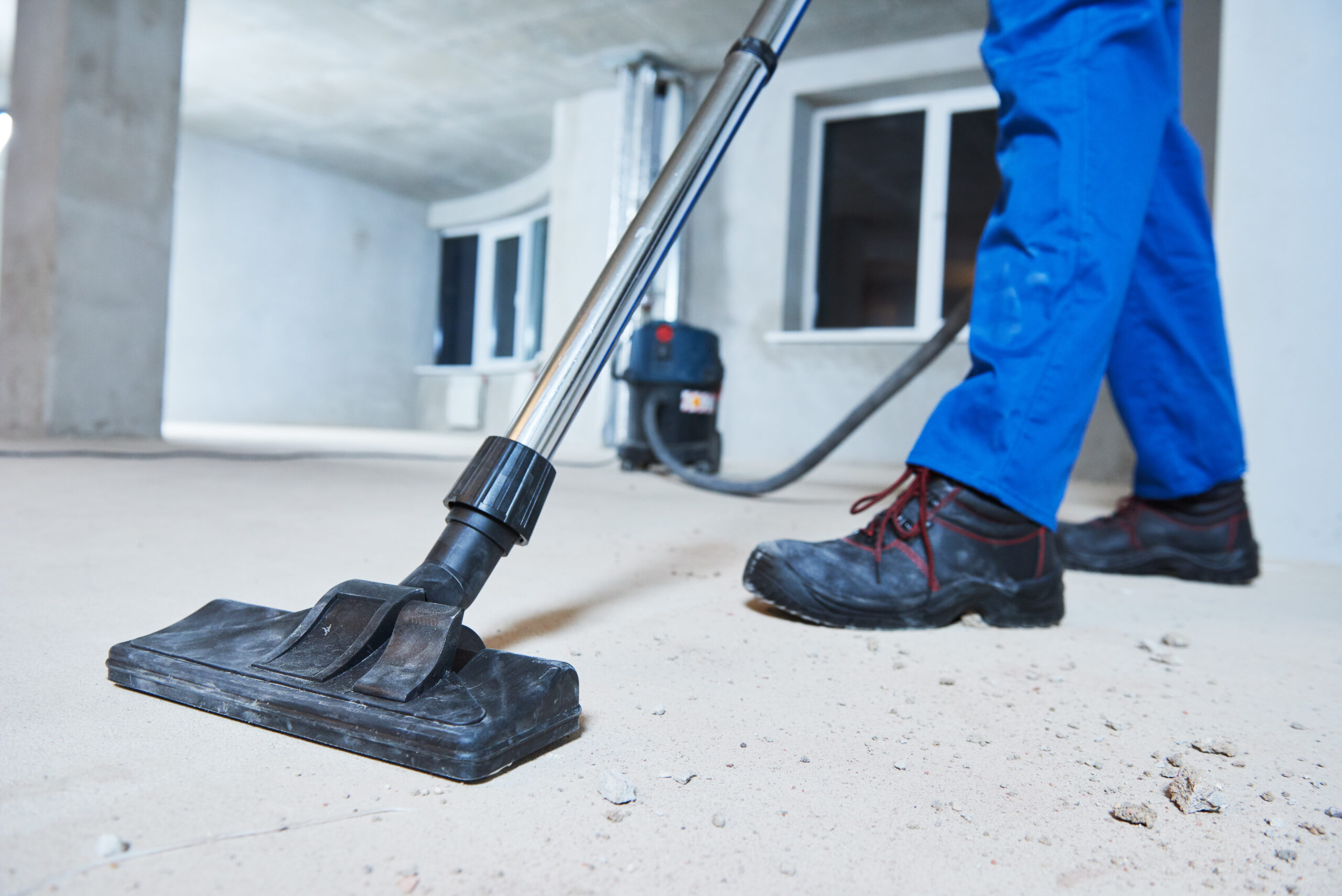
Professional removal of fine renovation dust from an accessible surface

Why the price can change from one renovation to another

Two properties with the same number of bedrooms may require very different amounts of work. Bedroom count helps select a team, but the renovation itself determines the cleaning priorities.

How far the dust has spread

Drywall and sanding dust can settle beyond the renovated room. It may collect on cabinet tops, door frames, ledges, baseboards, vent covers and floors in nearby rooms. A contained bathroom renovation is different from flooring or drywall work throughout an entire property.

Type of residue

Loose fine dust is not the same as paint specks, adhesive, silicone, grout haze, labels or protective film. Residue removal can require testing and surface-specific methods. Some marks cannot be safely removed without risking damage to glass, stone, paint, flooring or cabinetry.

Condition of new finishes

Fresh paint, recently installed flooring, natural stone, metal, glass and new cabinets require careful product selection. Cleaning should begin only after contractors confirm that paint, grout, caulking and other finishes have cured sufficiently.

Access and building logistics

Condo elevator bookings, loading access, visitor parking, restricted service hours and long equipment routes can reduce useful cleaning time. Access should be arranged before the team arrives.

What is normally included?

The exact scope depends on the selected package, available time and confirmed priorities. Typical post-renovation work may include:

  • controlled removal of fine dust from accessible surfaces;
  • wiping counters, shelves, doors, trim, fixtures and baseboards;
  • cleaning kitchens and bathrooms within the booked scope;
  • vacuuming carpets and hard-floor edges;
  • mopping suitable hard floors;
  • wiping window sills, reachable frames and accessible glass when included;
  • cleaning switches, handles and other finishing details;
  • a final review of the priority areas completed during the visit.
Post-renovation dust removal with a professional vacuum cleaner

What is not automatically included?

Standard post-renovation cleaning is not contractor debris removal or hazardous-material remediation. Contractors should remove tools, nails, plaster pieces, unused materials, floor protection and large debris before cleaners arrive.

  • inside ductwork, ceiling cavities or inaccessible building systems;
  • active construction areas where dust is still being produced;
  • mould, asbestos, lead or other hazardous-material remediation;
  • heavy lifting or moving contractor equipment;
  • paint, adhesive or silicone removal when it could damage the finish;
  • exterior or difficult-access window cleaning unless separately confirmed.

Package, hourly cleaning or custom estimate?

OptionBest whenHow pricing works
PackageThe whole renovated home needs a structured visitRecommended team × 3 hours
HourlyOnly selected rooms or dust-heavy priorities need attentionCAD $59 per cleaner/hour, 3-hour minimum
Custom estimateYou want predefined rooms, surfaces and add-onsCalculated from the exact selected scope

A practical 2–3 bedroom example

A 2–3 bedroom post-renovation package is CAD $354 and provides two cleaners for three hours, or six total cleaner-hours. This can be appropriate when contractors have finished, large debris has been removed and the property needs a controlled final clean focused on accessible dust, floors, baseboards, cabinets, fixtures and priority rooms.

If the home still contains heavy debris, extensive adhesive removal, active contractor work or dust throughout many additional areas, the standard visit may not be enough. The scope should be reviewed before booking, and additional time or separate services may be recommended.

How to get a more accurate estimate

Clear photos are more useful than descriptions such as “a little dusty” or “almost finished.” For an accurate review, provide:

  1. one wide photograph of each affected room;
  2. close-ups of paint, adhesive, grout haze or other residue;
  3. the approximate property size and renovated areas;
  4. whether the property is empty or furnished;
  5. confirmation that contractors and large debris are gone;
  6. parking, elevator and access information.

If the condition cannot be assessed reliably from photos, the uncertain work should be clarified before the team begins rather than promised as part of a fixed result.

How to prepare before the cleaners arrive

  • wait until renovation work is fully finished;
  • ask contractors to remove tools, materials and large debris;
  • keep electricity, lighting and running water available;
  • confirm that new finishes are ready for cleaning;
  • identify delicate surfaces and restricted areas;
  • arrange keys, concierge access, elevators and parking;
  • keep the property free of new contractor traffic after cleaning.

Post-renovation cleaning focuses on fine dust and light residue after the work is finished. Depending on the property, you may also need window cleaning for detailed glass and tracks, carpet cleaning when dust has settled into fibres, or deep cleaning for household grease, soap buildup and other non-renovation soil.

Frequently asked questions

How much does post-renovation cleaning cost in Toronto?

Current packages start at CAD $177 for a studio or one-bedroom property. A 2–3 bedroom package is CAD $354, and a 4–5 bedroom package is CAD $531. Hourly post-renovation cleaning is CAD $59 per cleaner per hour with a three-hour minimum.

Is post-renovation cleaning more expensive than regular cleaning?

It can be, because fine construction dust requires a controlled top-to-bottom process and careful work around new finishes. The final price depends on the affected area, residue, access and selected scope.

Does the package guarantee that every task will be completed?

No. The package provides a team and a fixed amount of cleaning time. Priorities should be confirmed before the visit, and extra time can be added when required.

Can cleaners work while contractors are still in the property?

Final cleaning should be scheduled after contractors finish and remove their equipment and debris. Continued cutting, sanding or foot traffic can put new dust on completed surfaces.

Are windows included?

Window sills, reachable frames or accessible glass may be handled when included in the confirmed scope. Detailed interior, exterior or difficult-access window cleaning should be selected separately.

Calculate your post-renovation cleaning price

Choose a package for the whole renovated property, hourly cleaning for specific priorities, or the calculator when you want to define individual rooms and add-ons before booking.

What to clean before your furniture arrives

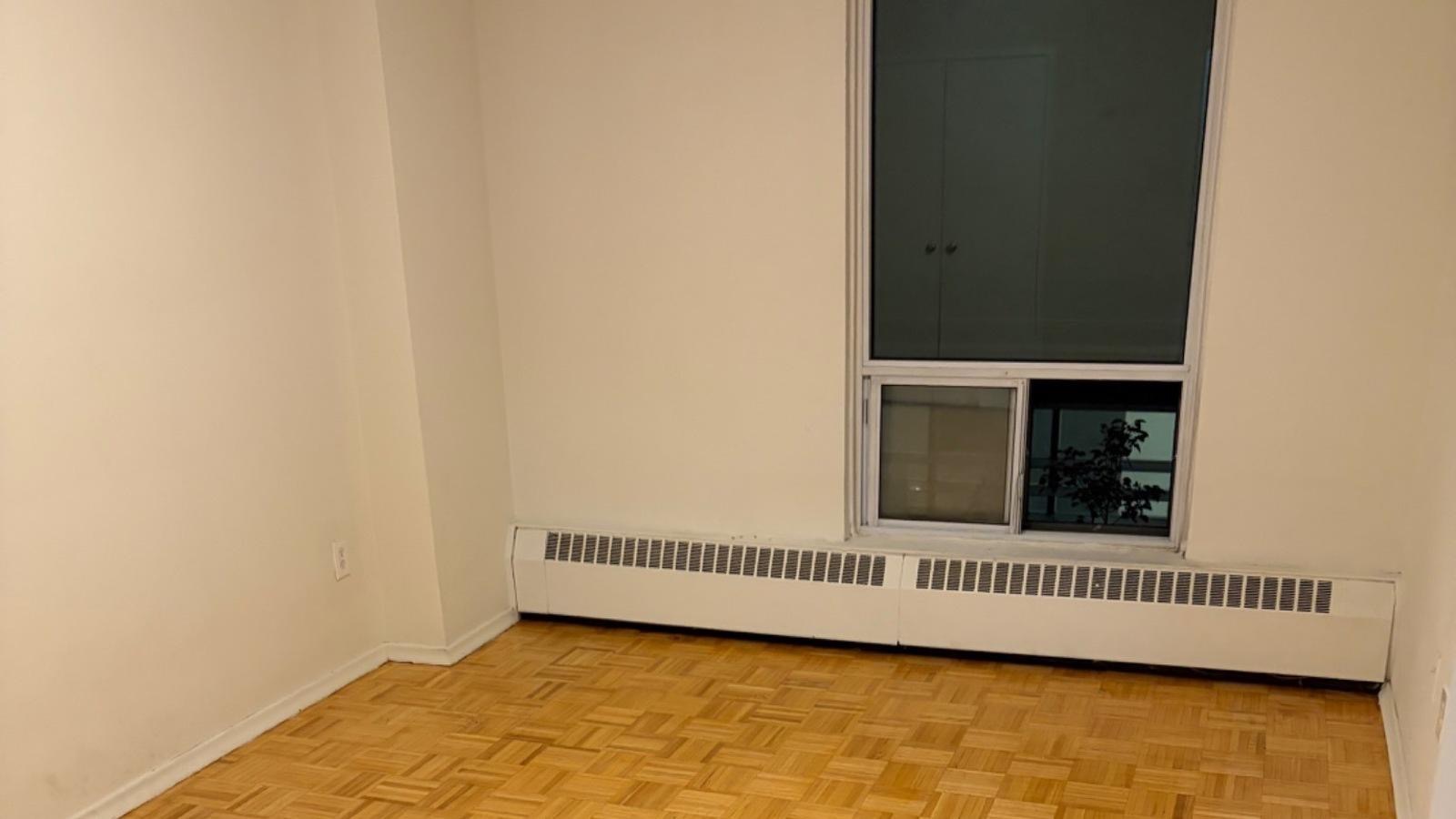
Empty Toronto condo before move-in cleaning

An empty Toronto condo is the easiest time to reach floors, baseboards, walls and windows before furniture limits access.

Direct answer

The best time to clean a Toronto condo is after you receive the keys and before furniture, boxes and personal belongings arrive. An empty unit gives the cleaning team clear access to cabinet interiors, appliances, bathrooms, baseboards, floors, closets, windows and other areas that become harder to reach after move-in.

Leronzo clients can choose a move-in package based on the size of the condo and set the priority areas for the visit. If only certain rooms or tasks need attention, the custom calculator can be used to select the exact zones and add-ons required.

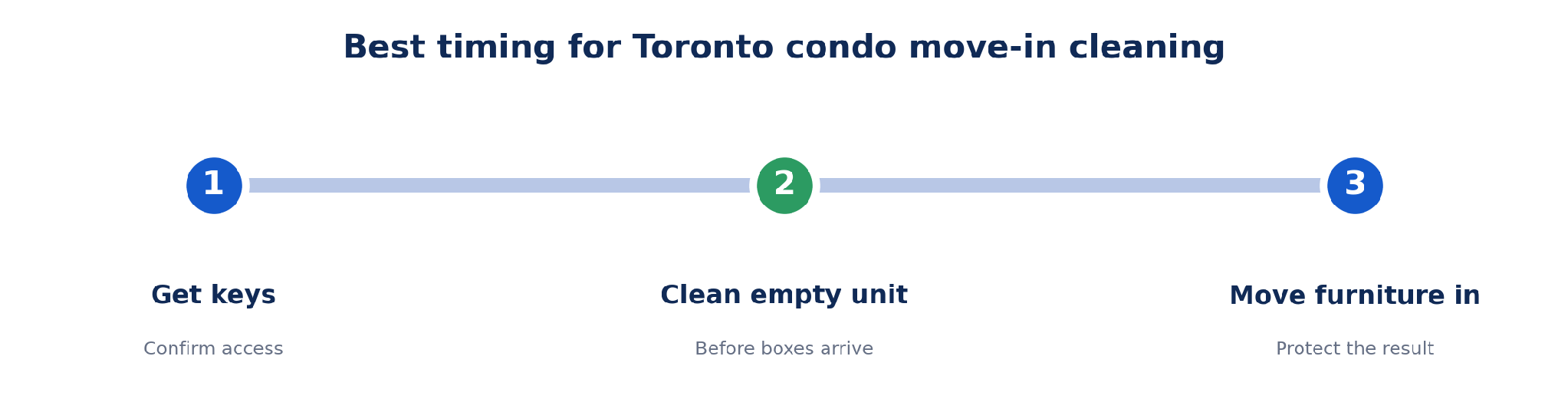
Best timing for Toronto condo move-in cleaning

Figure 1. Schedule cleaning after reliable access is available and before movers fill the unit.

Why cleaning before the furniture arrives matters

Furniture does not create the need for move-in cleaning, but it changes access. A sofa can cover floor edges and baseboards. A bed can block walls, vents and outlets. Boxes can occupy kitchens, closets and hallways. Once cabinets are filled, cleaning their interiors means unpacking everything again.

The empty-unit window is also the best time to identify what is ordinary dirt and what is a maintenance issue. Cleaning may remove dust, grease, soap residue and everyday marks. It will not repair damaged grout, failed caulking, rust, chipped surfaces, permanent discolouration or mould that requires remediation.

The empty condo advantage

AreaWhy it is easier before move-inWhat to confirm
KitchenCabinets, appliances and floor edges are unobstructedFridge, oven and cabinet interiors are empty
BathroomFixtures, tile and floor edges are fully accessibleHeavy buildup or damaged caulking is reported
Living areasBaseboards, walls and floors are not hidden by furniturePriority marks and delicate finishes are identified
ClosetsShelves and interiors can be cleaned before storage beginsClosets are empty and included in the booking
Windows and balconyNo furniture blocks glass, doors or floor edgesBuilding access and service scope are confirmed

What to check after you receive the keys

Walk through the condo before the movers arrive. Take photographs and check the areas below. The goal is not to assume that every mark can be removed; it is to identify priorities and choose the correct scope before the appointment.

Kitchen and appliance interiors

Open every empty cabinet and drawer. Look for crumbs, sticky residue, shelf marks and odours. Check the refrigerator seals, shelves and drawers, and inspect the oven, stovetop and range hood. Grease is often spread across several surfaces rather than confined to one obvious spot.

Empty kitchen appliance interior before move-in cleaning

Open cabinets and empty appliances make it possible to clean interiors before food, dishes and cookware are unpacked.

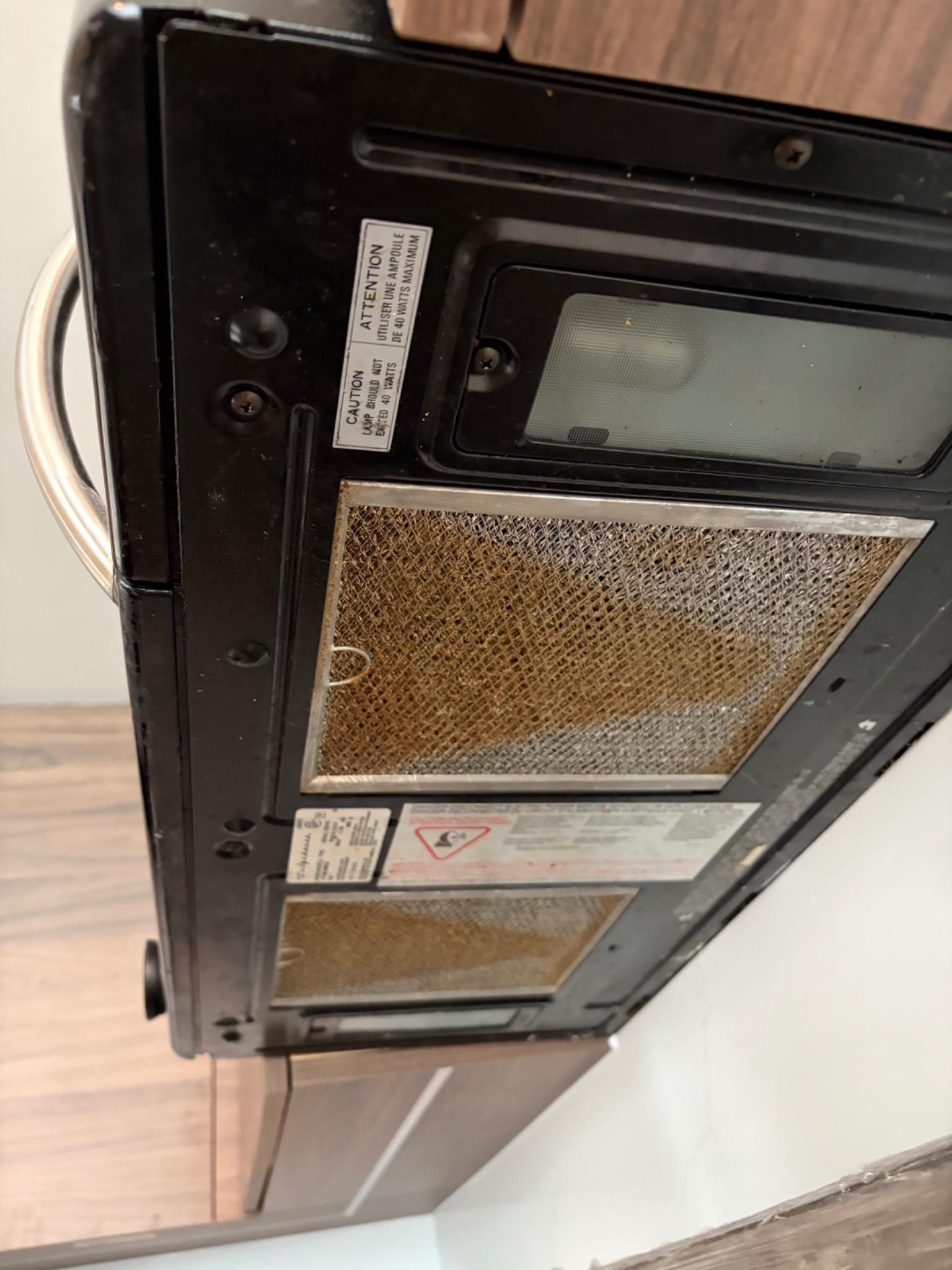
A range hood filter can hold grease even when the surrounding kitchen appears acceptable. Filter cleaning or replacement should be assessed separately from a basic exterior wipe.

Greasy range hood filter before cleaning

A greasy range hood filter is a useful inspection point before a new occupant starts using the kitchen.

Bathrooms

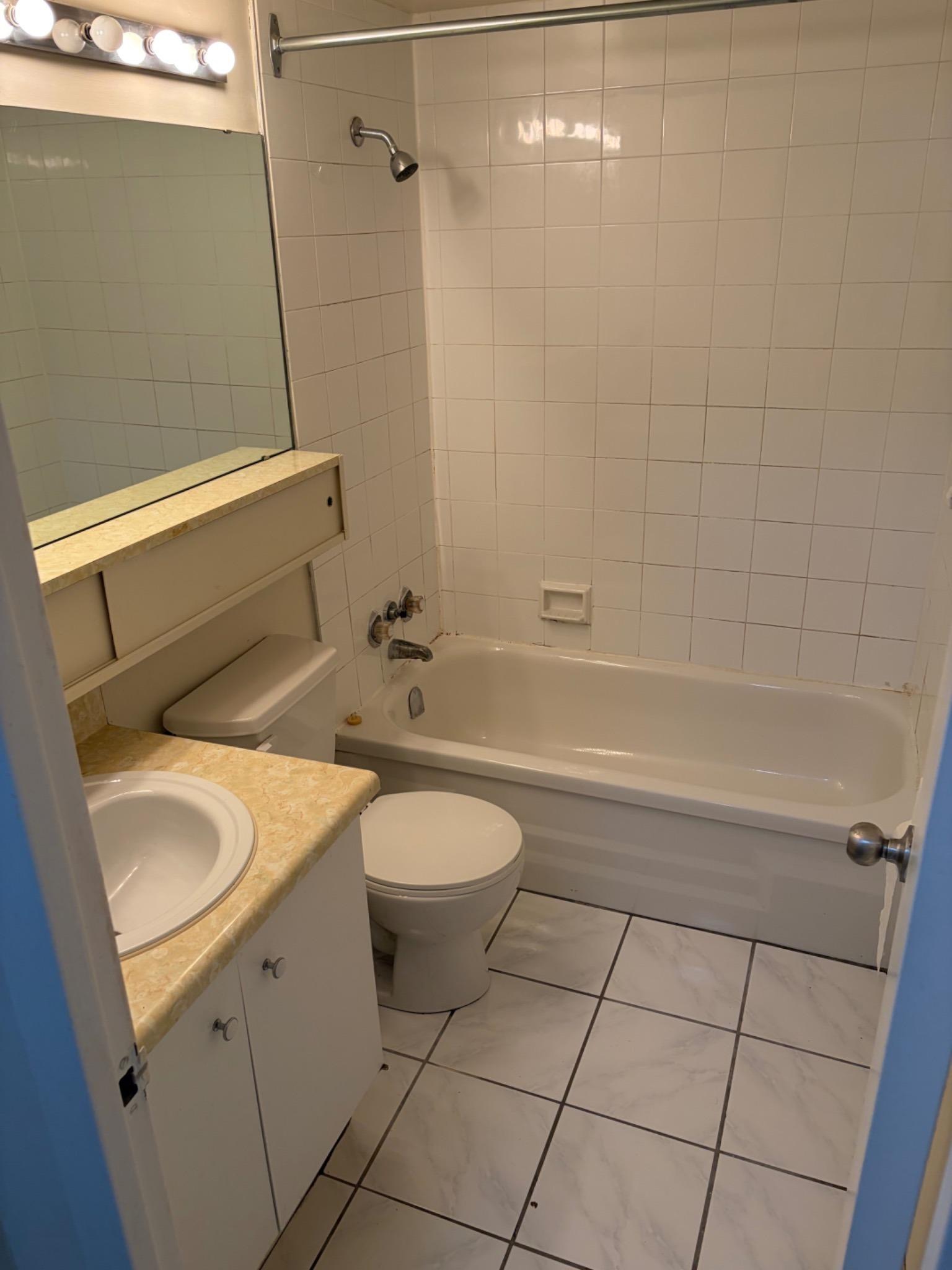
Inspect the shower or bathtub, tile, grout lines, faucets, toilet, vanity, mirror and floor edges. Soap film and mineral buildup may respond to detailed cleaning, while missing caulking, damaged grout and permanent staining are maintenance or repair issues.

Empty condo bathroom before move-in cleaning

Bathroom surfaces are easier to assess while the room is empty and personal products have not been unpacked.

Floors, baseboards, closets and walls

Empty rooms reveal dust along baseboards, edges and corners. They also make wall marks, window-sill dust and floor condition easier to see. Ask for spot cleaning only on washable surfaces and identify any existing damage before the team begins.

If the condo has carpet, routine vacuuming is different from professional extraction. Embedded soil, pet contamination or odours may require a separate carpet-cleaning assessment.

Choose a move-in package or build a custom scope

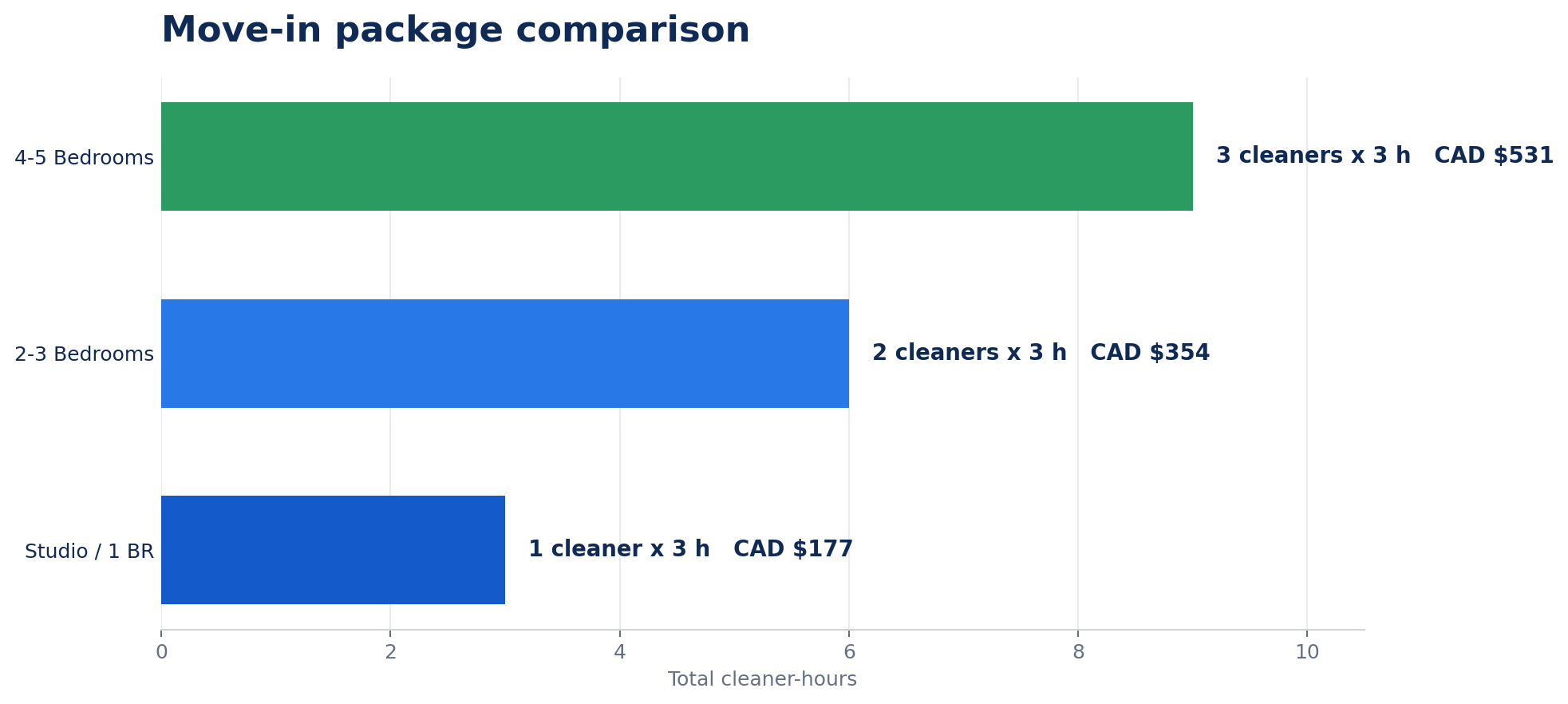
A package is the simplest option when the whole empty condo needs attention. The package provides a recommended team and a three-hour visit based on the number of bedrooms. The client chooses which zones should be handled first. A package is time-based and does not promise that an unlimited list of tasks will be completed regardless of the property condition.

Condo sizeTeamTime on siteTotal cleaner-hoursPackage price
Studio / 1 bedroom1 cleaner3 hours3CAD $177
2-3 bedrooms2 cleaners3 hours6CAD $354
4-5 bedrooms3 cleaners3 hours9CAD $531
Move-in cleaning package team size and hours

Figure 2. Team size increases with the selected package while the standard visit remains three hours.

How priorities work

Before the appointment, identify the areas that matter most. The team can begin with the kitchen and bathrooms, then move to empty rooms, closets, floors and final details. If the condition is heavier than expected, the priority list protects the most important work from being left until the end.

  • First priority: kitchen interiors and appliances that must be ready before unpacking.
  • Second priority: bathrooms and other hygiene-sensitive areas.
  • Third priority: floors, baseboards, closets, doors and reachable surfaces.
  • Final priority: optional details selected for the remaining booked time.

When the custom calculator is the better choice

Use the calculator when the entire condo does not need cleaning or when the exact scope should be defined before booking. It allows the client to select particular rooms, choose General or Deep Cleaning and add specific tasks such as inside-oven, inside-fridge, cabinet, window or wall cleaning.

Choose a package whenUse the calculator when
The whole empty condo needs a structured visitOnly selected rooms or surfaces need cleaning
You want a recommended team based on bedroom countYou want the exact zones listed before booking
You will set priorities for the available visit timeYou need specific add-ons or a budget-defined scope
The unit is ready and unobstructedPart of the condo is already clean or inaccessible

Toronto condo access checklist

Shared-building logistics can reduce useful cleaning time if they are not arranged in advance. Confirm access before the appointment rather than while the team is waiting in the lobby.

Before the visitWhy it matters
Keys or access code are availableThe team can enter without waiting for the owner or realtor
Concierge has been notifiedBuilding staff can confirm authorization
Elevator rules are confirmedSupplies and equipment can reach the unit without delay
Visitor parking or loading instructions are providedThe team avoids parking delays and building violations
Water and electricity remain connectedCleaning equipment, lighting and rinsing remain available
Garbage and recycling directions are knownWaste can be handled according to building rules

Optional services to consider before move-in

Move-in cleaning prepares accessible household surfaces. Some conditions require a separate service, different equipment or additional time. These services should be selected only when the condo actually needs them.

Carpet cleaning. View service – Choose professional extraction when carpet has embedded soil, stains or odours that vacuuming cannot address.

Upholstery cleaning. View service – For furnished condos, inspect sofas and fabric chairs left by the previous occupant before bringing in personal items.

Balcony cleaning. View service – Windblown dust, bird residue, traffic film and dirty glass railings may require a separate balcony scope.

Window cleaning. View service – Select interior windows, tracks or accessible glass when these areas are outside the core package.

Post-renovation cleaning. View service – Fine construction dust and renovation residue require a different process from ordinary move-in cleaning.

A practical move-in sequence

StageActionDo not do yet
1. AccessReceive keys and confirm concierge, elevator and parkingDo not schedule cleaners before reliable access exists
2. InspectionPhotograph the empty unit and identify prioritiesDo not assume permanent damage is cleanable
3. CleaningComplete the booked package or custom scopeDo not fill cabinets or place furniture
4. ReviewCheck the confirmed areas while they remain accessibleDo not wait until boxes cover the unit
5. Move-inBring in furniture and unpack into cleaned storage areasAvoid creating new traffic before floors are dry

Move-in cleaning across Toronto condo areas

Condo access and layouts differ across Toronto, but the planning principles remain the same: confirm entry, clean while the unit is empty and match the scope to the current condition.

  • Downtown Toronto – Condo cleaning for high-rise buildings and downtown residences.
  • North York – Move-in cleaning for condos, apartments, and townhomes.
  • Scarborough – Home and condo cleaning across Scarborough neighbourhoods.
  • Etobicoke – Cleaning services for condos and residential properties in Etobicoke.

Frequently asked questions

Should the condo be completely empty?

An empty condo gives the team the best access. If boxes or furniture remain, the team can clean accessible areas, but cleaners do not move heavy furniture and covered surfaces may be excluded.

Should cleaning happen before or after the movers?

Schedule cleaning after the previous occupant or seller has removed belongings and before your furniture delivery. This protects access to floors, baseboards, cabinets and closets.

Do I need to stay in the condo during cleaning?

No, if secure access has been arranged through a key, smart-lock code, concierge, realtor or property manager. Provide unit, buzzer, parking and elevator details in advance.

Are the refrigerator, oven and cabinet interiors always included?

No. Interior tasks depend on the selected package or custom scope. Review the package inclusions or add the required interiors through the calculator before booking.

Can I choose what the team cleans first?

Yes. For a time-based package, identify priority zones before the appointment. Kitchens and bathrooms are usually handled first when they are the most important move-in areas.

What if only the kitchen and bathrooms need cleaning?

Use the custom calculator to select those rooms and the exact service level rather than booking unnecessary areas.

Is carpet cleaning part of move-in cleaning?

Routine vacuuming may be included in the confirmed household scope, but professional carpet extraction is a separate service for embedded soil, stains or odours.

Can the team clean a condo balcony at the same visit?

Balcony cleaning can be added when available. Confirm the balcony size, floor condition, drainage, glass railings and building restrictions during booking.

Plan the cleaning before move-in day

For the smoothest result, book after key access is confirmed and before movers deliver furniture. Choose a package for the whole empty condo or use the calculator to select only the rooms and add-ons you need.

A humanoid robot can now be hired to clean a real apartment in the United States. The price sounds surprisingly familiar to anyone who has booked a cleaner in Toronto: US$30 an hour — roughly C$42 at current exchange rates.

That immediately raises a practical question for Toronto homeowners and cleaning companies: if a humanoid robot can vacuum, wipe surfaces, make a bed and clean a bathroom for about the same hourly price as a human cleaner, how long before robots replace house cleaners?

The short answer in 2026 is: not yet.

The more interesting answer is that robots may become genuinely competitive in routine maintenance cleaning before they become capable of replacing professional deep cleaning. The difference is not simply speed or intelligence. It is the combination of dexterity, touch, surface judgment, chemical choice, risk awareness and the ability to adapt continuously to a home that is never e twice.

Illustrative service robot. This is not the Tau Robotics unit used in the San Francisco pilot.

A $30-an-Hour Robot Cleaner Is No Longer Science Fiction

In August 2026, a San Francisco resident hired a humanoid robot from Tau Robotics to clean her apartment for one hour. The robot vacuumed, made a bed and cleaned parts of the bathroom. The customer said the robot was slower than a human cleaner, but she was satisfied with the result and did not need to redo the work.

The video went viral and triggered the obvious debate: are cleaners about to be replaced?

There is one detail that changes the interpretation. The robot was teleoperated. A remote human operator was involved in controlling it. In other words, the robot was physically inside the apartment, but the cleaning was not yet a fully autonomous “send the robot in and let it figure everything out” service.

CBS reported that Tau’s pilot was offered to selected San Francisco households at US$30 per hour and that the robots cost about US$50,000 each to build. That makes the pilot important — but it does not prove that fully autonomous home cleaning is already commercially mature.

For Toronto, the story matters because it moves the conversation from “maybe one day” to “this is already being tested in real homes.”

Robot Cleaning Is Growing Fast — But Mostly on Floors

Robotics is already established in cleaning. It is just not yet the humanoid version many people imagine.

The International Federation of Robotics reported that more than 25,000 professional cleaning robots were sold in 2024 in its reporting sample, up 34% year over year. The main application was floor cleaning.

25,000+ professional cleaning robots sold in 2024

+34% year-over-year growth

Main use: floor cleaning

That distinction matters. Autonomous floor scrubbers, robot vacuums and other single-purpose systems work well because their environment and task are relatively constrained. A full home is different. A kitchen, bathroom, bedroom and living room require different tools, contact forces, movements and decisions.

Humanoid robotics is also attracting far more investment. Goldman Sachs Research increased its 2035 global humanoid-robot market forecast from US$6 billion to US$38 billion, cprogress and falling component costs.

Chart: Goldman Sachs Research revised its 2035 humanoid-robot market estimate from US$6B to US$38B. This is a forecast, not current sales.

Robot Cleaner vs Human Cleaner: What Does C$40–42 per Hour Actually Buy?

The San Francisco pilot price creates an unusually clear comparison.

US$30 per hour converts to approximately C$42 per hour. Leronzo Cleaning Group currently lists hourly maintenance clper cleaner per hour, with a three-hour minimum.

Important: these are not equivalent services. Tau’s US$30 rate is a U.S. pilot price for an emerging robot service. Leronzo’s C$39 rate is an active Toronto & GTA maintenance-cleaning rate. Exchange rates also move.

Still, the comparison raises the right question:

The real metric is not price per hour. It is useful cleaning completed per hour.

If two options cost almost the same per hour but one completes less work, needs remote assistance or cannot handle part of the cleaning scope, the hourly rate alone is misleading.

Routine Cleaning Is Where Robots Make the Most Sense

Routine cleaning is the part of residential cleaning that is easiest to standardize.

A regularly maintained home often needs repeatable tasks:

• vacuum open floor areas;

• mop accessible hard floors;

• wipe counters and other open surfaces;

• remove light dust;

• make beds;

• collect trash;

• perform basic bathroom maintenance;

• repeat the same route every week.

This is precisely where robotics has the strongest opportunity.

A humanoid does not necessarily need to “understand cleaning” at the same level as an experienced cleaner to become useful. If the environment is mapped, the surfaces are known and the work is repetitive, automation can gradually take over more of the physical routine.

That is why the most realistic near-term competition is not robot versus professional deep cleaner. It is robot versus a portion of recurring maintenance cleaning.

For homes that already stay in maintainable condition, regular cleaning is structured and predictable. Leronzo’s Weekly, Bi-Weekly & Every 4 Weeks Cleaning service is built around that same maintenance concept: keeping everyday dust, crumbs, fingerprints and light residue under control before they become heavy buildup.

Why Deep Cleaning Is a Different Problem

Deep cleaning looks similar from a distance: wipe, scrub, vacuum, rinse.

Up close, it is a different type of work.

Consider a stovetop. A routine clean may involve removing fresh cooking residue and wiping the surface. A deep clean may involve baked-on grease, carbonized residue around burners, narrow seams, edges and areas where the finish is already worn.

The cleaner is not simply applying more force.

The cleaner is constantly deciding:

• how much pressure is safe;

• whether the residue needs dwell time before agitation;

• which tool can be used without scratching;

• whether the surface is painted, coated, glass, stainless steel or another material;

• when a stronger product is justified;

• when a stronger product creates more risk than benefit;

• when to stop because the finish is beginning to react;

• whether a mark is dirt, damage or permanent discoloration.

Ts to refrigerators, cabinet fronts, faucets, shower glass, grout, painted trim and many other surfaces.

Deep cleaning requires surface-specific decisions, not simply more scrubbing.

Leronzo Cleaning Group’s View: Deep Cleaning Is a Sequence of Decisions

Leronzo Cleaning Group uses checklists. A checklist is necessary for consistency.

But a professional cleaner does not perform a deep clean by mechanically following a list of movements.

A checklist may say: clean the shower.

That one line can describe completely different jobs.

One shower may have light soap residue. Another may have hard-water mineral buildup. Another may have delicate stone. Another may have damaged grout, worn sealant or a finish that reacts badly to an aggressive product.

The task name is the same. The safe method is not.

From Leronzo Cleaning Group’s practical point of view, deep cleaning follows a loop:

Inspect → Identify → Decide → Clean → Check → Adjust

That “adjust” step is important.

A cleaner feels resistance through the cloth, pad, brush or scraper. The cleaner changes pressure and angle. The cleaner sees whether the residue is softening. The cleaner notices whether the finish is becoming dull. The cleaner can immediately reduce force, switch chemistry or stop.

This kind of tactile feedback is one of the reasons today’s humanoid robots are not yet equivalent to a trained professional performing deep cleaning.

Robots can have force sensors and increasingly sophisticated vision. That does not mean they cannot eventually become good at this work. It means the real challenge is more difficult than simply teaching a robot the correct sequence of motions.

Routine cleaning is largely a sequence of tasks.

Deep cleaning is a sequence of decisions.

Would You Trust a Robot — or a Trained Cleaner?

If you would rather have a person assess the surfaces, adjust pressure and technique, and handle the areas that do not fit a standard routine, check the cost of a professional cleaning for your Toronto & GTA home.

Speed: Hourly Price Is Not Productivity

In the viral San Francisco example, the customer herself said a human cleaner would have completed the work faster.

That matches a broader problem in humanoid robotics: impressive motion does not automatically translate into efficient real-world work.

Reuters reported in August 2026 that humanoid robots are progressing quickly but still struggle with intelligence, precision, dexterity and adaptation in practical environments. Recent robot competitions have shown the same contrast: machines can now run at extraordinary speeds, while apparently simple manipulation tasks can still expose major limitations.

House cleaning rewards versatility more than spectacle.

A cleaner can move from a bathroom to a kitchen, notice an unexpected stain, change tools, reach behind an object, clean an edge, change pressure and reorder the remaining work without stopping the entire process.

A robot that performs each movement more slowly can become much more expensive in practice even if the advertised hourly price looks competitive.

This is why a useful comparison should be:

COST PER USEFUL CLEANING RESULT

not simply:

COST PER CLOCK HOUR

What Humanoid Robots Can Already Do — and Where Humans Still Lead

Humanoid robot today:

• vacuum accessible areas;

• basic wiping;

• make beds;

• carry light objects;

• collect trash;

• repeat structured tasks;

• perform some basic bathroom or kitchen maintenance;

• potentially work without fatigue on repetitive motions.

Human professional cleaner:

• all routine tasks above;

• detailed edges, corners and gaps;

• work around clutter and irregular layouts;

• identify different types of buildup;

• change pressure by feel;

• select or change chemistry;

• distinguish dirt from surface damage;

• work with fragile finishes;

• deep-clean kitchens and bathrooms;

• use specialized carpet and upholstery equipment;

• react to unexpected problems immediately;

• inspect quality continuously.

The gap is not permanent. But in 2026 it is still significant.

What Robots May Do Better Soon

It would be a mistake to assume humanoid cleaners will remain at today’s level.

AI is improving quickly. Hardware costs are falling. Vision systems are better. Force sensing is improving. Training data is expanding. Robots are learning from teleoperation and demonstration instead of relying only on manually programmed movement.

Goldman Sachs has pointed to progress in end-to-end AI as one reason humanoid-development timelines have accelerated.

That suggests a realistic progression:

Stage 1 — single-purpose floor robots

Stage 2 — humanoids handling repeatable household tasks

Stage 3 — increasing autonomy in known environments

Stage 4 — better manipulation, judgment and exception handling

Stage 5 — broader competition with human routine-cleaning work

Deep cleaning is likely to be farther along that path because it requires more than navigation and repetition.

Could Toronto Homes Actually Use Humanoid Cleaners?

Toronto & GTA may eventually be a strong market for this technology.

The region has dense condo living, high labour costs, a large residential-service economy and many households already comfortable with on-demand services and home automation.

But successful deployment would require more than a robot that can physically clean.

A real Toronto service would also need to solve:

• travel between homes;

• elevator and condo access;

• insurance and property-damage responsibility;

• privacy for cameras and remote operators;

• safe handling around children and pets;

• winter entry conditions and wet floors;

• carrying supplies and changing tools;

• charging and downtime;

• customer trust;

• liability when the robot damages a finish or breaks an item.

This is why the first successful model may not be “buy a humanoid and replace your cleaner.”

It may be a hybrid model where robots handle repetitive maintenance while trained cleaners handle detail work, inspection, specialty treatments and exceptions.

Where Professional Cleaning Still Has an Advantage

Professional deep cleaning remains difficult to automate because different surfaces need different treatment.

For example, Leronzo’s Deep Cleaning service focuses on accumulated grease, soap and mineral buildup, edges, baseboards, detailed surfaces and overlooked areas. Those are precisely the situations where surface condition and judgment matter.

Specialty services raise the bar further.

Professional Carpet Cleaning may require identifying fibre condition, stains, pet contamination, odours and the correct extraction process. Upholstery Cleaning adds fabric identification and material-specific risk. Those tasks are not simply “more cleaning.” They are different technical processes using specialized equipment.

That does not make automation impossible.

It explains why replacing a robot vacuum is easy compared with replacing the full skill set of a professional cleaner.

Will Robots Replace House Cleaners in Toronto? Our 2026 Answer

For routine cleaning, robots are getting close enough that the question should be taken seriously.

A US$30-per-hour humanoid pilot — about C$42 — is already operating in real homes. Professional cleaning robots are growing rapidly. Investment in humanoids is accelerating. The technology will continue to improve.

But the current evidence does not show a humanoid that can fully replace an experienced professional cleaner across a normal Toronto home.

For predictable maintenance tasks, the gap is narrowing.

For deep cleaning, detailed work, stain treatment, specialty surfaces, carpet extraction, upholstery and unexpected conditions, the gap is still large.

Leronzo Cleaning Group’s view is that automation is more likely to change the cleaner’s job before it eliminates it. Repetitive work can increasingly move to machines. Human value can shift toward inspection, judgment, detail work, specialty treatment, quality control and solving the situations that do not fit a standard script.

The most useful question is therefore not:

“Will robots replace cleaners?”

It is:

“Which parts of cleaning will robots replace first — and which parts still require human judgment?”

In 2026, routine maintenance is the obvious starting point. Deep cleaning is not.

Prefer a Human Cleaner? Get Your Exact Price in 60 Seconds

Humanoid cleaning is developing quickly, but if you want a trained cleaner handling the details today, you can build your cleaning scope online. Choose General or Deep Cleaning, select the rooms and extras you need, and see the price before booking — no phone call or sign-up required.

For routine home upkeep:

Weekly, Bi-Weekly & Every 4 Weeks Cleaning

For detailed accumulated buildup:

Deep Cleaning in Toronto & GTA

For general house cleaning:

House Cleaning in Toronto & GTA

For specialist extraction:

Carpet Cleaning in Toronto & GTA

For fabric and furniture care:

Upholstery Cleaning in Toronto & GTA

Frequently Asked Questions

Can a humanoid robot clean a house today?

Yes, humanoid robots can already perform selected household tasks such as vacuuming, wiping, bed-making and carrying objects. Some services are being tested in real homes. However, current systems may rely on teleoperation and are not yet equivalent to a fully autonomous professional cleaner.

How much does a humanoid robot cleaner cost?

Tau Robotics’ 2026 San Francisco pilot was reported at US$30 per hour, approximately C$42 at the exchange rate used for this article. This was a pilot price, not a Toronto market rate.

Is a robot cleaner cheaper than a cleaner in Toronto?

Not necessarily. Leronzo currently lists hourly maintenance cleaning at C$39 per cleaner per hour. A similar clock-hour price does not mean the same productivity or service scope. The more useful comparison is how much appropriate cleaning is completed in the paid time.

Can a robot do deep cleaning?

Current humanoid robots can perform some physical cleaning actions, but there is not yet strong evidence that they can consistently match a trained cleaner across professional deep-cleaning tasks that require tactile judgment, surface assessment, chemistry selection, detail work and adaptation.

Will AI make robot cleaners better?

Almost certainly. AI is already helping robots learn more general tasks and adapt to new situations. The timing of fully capable autonomous home cleaning remains uncertain.

Will humanoid robots come to Toronto?

It is plausible, but there is no established equivalent of the Tau San Francisco pilot operating as a mainstream Toronto residential-cleaning service at the time of writing. Any Toronto deployment would also need to address insurance, privacy, access, transportation and liability.

Sources and Data Notes

1. People — “Woman Shocked at Backlash After Sharing She Hired a Humanoid Robot to Clean Her Apartment for Just $30” (August 2026)

https://people.com/woman-hires-usd30-robot-to-clean-her-apartment-sparking-debate-12067968

2. CBS News — “Are humanoid robots ready to scrub your kitchen and take out the trash? Not quite.” (August 11, 2026)

https://www.cbsnews.com/news/tau-robotics-humanoid-ai-cleaning-robots-san-francisco

3. International Federation of Robotics — World Robotics 2025 / Service Robots

https://ifr.org/news/service-robots-see-global-growth-boom/1st-

4. Goldman Sachs Research — “The global market for humanoid robots could reach $38 billion by 2035”

https://www.goldmansachs.com/insights/articles/the-global-market-for-robots-could-reach-38-billion-by-2035.html

5. Reuters — “China can build kung fu-fighting robots. But it can’t get them to do factory work.” (August 27, 2026)

https://www.reuters.com/investigations/chinas-humanoid-robots-arent-smart-enough-take-your-job-yet-2026-08-27

6. Reuters — World Humanoid Robot Games coverage (August 2026)

https://www.reuters.com/world/asia-pacific/robots-can-outrun-humans-can-they-plug-cable-2026-08-23

7. Leronzo Cleaning Group — Weekly, Bi-Weekly & Every 4 Weeks Cleaning

How much does professional sofa, sectional, chair, and mattress cleaning cost in Durham Region? This guide explains Leronzo Cleaning’s 2026 starting prices, the difference between General and Deep Cleaning, what affects the final quote, and how to get a more accurate price before the appointment.

Quick answer: General Cleaning starts at $69 for a one-seat chair, $99 for a two-seat sofa, and $119 for a three-seat sofa. The minimum on-site order is $149. Larger sectionals, mattresses, heavily soiled upholstery, odours, and stain treatment cost more depending on the item and condition.

Worried the price will change after arrival?

Send clear photos before the appointment. When the item, condition, and problem areas can be assessed from the photos, the cleaning level and price can be confirmed in advance. If something cannot be determined reliably from photos, we will clarify it before the work starts rather than surprise you at the property.

What actually determines upholstery cleaning cost?

Furniture size matters, but it is only one part of the quote. Two sofas with the same number of seats can require very different amounts of work. A lightly used sofa that is cleaned regularly is not the same job as a sectional with body-oil buildup, food spots, pet odour, or old stains.

The main pricing factors are the type and size of furniture, number of seats, fabric condition, overall soil level, stain age, odour, pet-related contamination, and whether problem areas need more intensive treatment.

Practical rule: use the price tables as a starting point, not as a promise that every item of the same size will require the same treatment. When the condition is unclear, photos are the fastest way to narrow down the correct service level and price.

2026 upholstery cleaning price snapshot

If you only need a quick benchmark, these are the starting General Cleaning prices for common items. Smaller items can be combined into one visit, but the minimum order for an on-site appointment is $149.

Furniture typeGeneral Cleaning — starting price
Backless chair / stool$10
Dining chair$15
One-seat chair / armchair$69
Two-seat sofa$99
Three-seat sofa$119
Twin mattress$59
Queen mattress$89

Minimum on-site order: $149. If the selected items total less than the minimum, the visit is still subject to the minimum order amount.

Professional on-site cleaning by Leronzo Cleaning in Durham Region. We clean upholstery, mattresses, and area rugs in customers’ homes using professional extraction equipment and service methods matched to the item and its condition.

General Cleaning vs. Deep Cleaning

Instead of treating every piece of furniture as the same job, Leronzo uses two practical service levels. The goal is to match the amount of work to the actual condition of the upholstery.

General CleaningDeep Cleaning
Best for furniture that is maintained reasonably well, with light-to-moderate general soil and no major odour or difficult contamination.Best for furniture with heavier soil, noticeable spots, odour, pet-related issues, greasy high-contact areas, or a long gap since professional cleaning.
Regular professional maintenance.More intensive attention to problem areas and built-up contamination.

If you are between the two levels, do not guess. A few clear photos usually provide more useful information than a written description such as “not too dirty” or “just a few stains.”

Sofa and sectional cleaning prices

For sofas and sectionals, price generally rises with the number of seats because there is more upholstery surface, more cushions, and more edges and contact areas to clean. Deep Cleaning adds cost because the job may require more pre-treatment, agitation, spot work, or odour-focused treatment.

Furniture typeGeneralDeepDifference
1 seat$69$89+$20
2-seat sofa$99$129+$30
3-seat sofa$119$149+$30
4-seat sectional$159$199+$40
5-seat sectional$199$249+$50
6-seat sectional$239$279+$40
7-seat sectional$259$299+$40

A useful way to read this table is to compare the price difference with the condition of the sofa. If the upholstery mainly needs routine maintenance, General Cleaning may be enough. If the visible condition suggests more time and treatment, Deep Cleaning is the more realistic starting point.

Example: sofa cleaning before and after. Visible improvement depends on the fabric type, soil level, stain age, previous wear, and any earlier spot-cleaning attempts, but professional cleaning can noticeably improve the overall appearance of upholstered furniture.

Mattress cleaning prices

Mattress pricing is based mainly on size and cleaning level. A larger mattress has more surface area, while Deep Cleaning may require more attention to body-oil buildup, spots, or odour-related concerns.

Mattress sizeGeneralDeepDifference
Twin$59$79+$20
Twin XL$69$99+$30
Full$79$109+$30
Queen$89$129+$40
King$109$149+$40
California King$119$169+$50

For a small mattress booked by itself, remember the $149 minimum order. In practice, many customers combine mattress cleaning with a sofa, chairs, or another upholstery item during the same visit.

Example: mattress cleaning before and after. Mattress cleaning can improve the appearance of surface soiling and body-oil buildup, although the final result depends on the fabric, stain type, previous treatment, and how deeply contamination has set into the material.

Chair and dining-chair prices

Individual chairs have lower per-item prices, which makes them useful add-ons to a larger upholstery visit. Dining sets, office chairs, and occasional chairs can also vary in construction, fabric, and the amount of upholstered surface.

Chair typeGeneralDeepDifference
Backless chair / stool$10$15+$5
Dining chair$15$23+$8
Office chair$30$45+$15
Upholstered chair$39$50+$11
Rocking chair$49$79+$30

How to tell which cleaning level you need

Think about condition rather than age alone. An older sofa that is lightly used may need less work than a newer sofa used every day by a family with pets.

General is usually the better fit when…Deep is usually the better fit when…
The furniture has been cleaned reasonably recently and mainly needs routine maintenance.It has been a long time since professional cleaning.
There is no strong odour and no major staining.There are visible food, drink, grease, or pet-related spots.
The fabric looks generally maintained.High-contact areas such as arms or headrests look greasy or darkened.
You want to refresh the item before normal continued use.You are dealing with odour, pet contamination, move-out preparation, or heavier overall soil.

Get a more accurate quote from photos

For upholstery, photos can solve one of the biggest pricing problems: the cleaner and customer may use very different words to describe the same condition. A photo shows the size, shape, fabric layout, cushions, visible soil, and problem areas more clearly.

For the best estimate, send: one full photo showing the entire item, one close-up of the most affected area, and a short note about odour, pets, or anything that may not be visible in the image.

When the necessary details are visible, the cleaning level and price can often be agreed before the appointment. If something important cannot be assessed from photos, that should be clarified before the work starts rather than presented as a surprise at the property.

Upholstery cleaning across Durham Region

Durham Region sits east of Toronto and includes a mix of urban, suburban, and rural communities. For a local service business, that matters because access conditions, housing types, travel distance, condos, townhouses, detached homes, and larger rural properties can all affect how a job is planned.

Leronzo Cleaning serves customers across Durham Region, including the Region’s eight local municipalities: Ajax, Brock, Clarington, Oshawa, Pickering, Scugog, Uxbridge, and Whitby.

Oshawa Sofas, sectionals, chairs, mattresses, pet-related cleaning, apartments, townhouses, and detached homes.Whitby Family homes, townhouses, condos, larger sectionals, dining chairs, and mattresses.
Ajax Sofa and chair cleaning, mattress cleaning, pet-related spots and odours, and multi-item appointments.Pickering Condo and house appointments, upholstered furniture, sectionals, chairs, and mattresses.
Clarington Including communities such as Bowmanville and Courtice, with service for sofas, sectionals, chairs, and mattresses.Uxbridge, Scugog & Brock Service availability for rural and smaller-community addresses may require confirming the exact address and route when booking.

The starting furniture prices are based primarily on the item and cleaning level. Building access, paid parking, condo rules, elevator bookings, or longer-distance addresses may need to be discussed separately before the appointment.

Common stain and odour questions

No responsible cleaner can guarantee a fixed stain-removal percentage from the stain name alone. Results depend on the fabric, stain chemistry, age, previous DIY treatment, heat exposure, and how deeply contamination has moved into the upholstery or filling.

IssueWhat matters
Coffee, tea, juice, other drinksFresh contamination is generally easier to treat than old, set-in staining.
Grease and food residueThe result depends on how deeply oils have penetrated the fibre and backing.
Pet urine or odourIf contamination has moved into the cushion filling or underlying material, surface cleaning alone may not fully solve the issue.
Ink or paintOutcome depends on the product involved and the colourfastness and sensitivity of the upholstery.
Bleach marksBleach can remove or alter colour. That is material damage rather than ordinary soil.
Burns, tears, holesCleaning does not repair physical fabric damage.

How long does upholstery take to dry?

Drying time varies with fabric type, cushion density, ventilation, indoor temperature, humidity, and the amount of moisture required during cleaning. Most customers should plan for several hours rather than expecting the furniture to be ready immediately.

Good airflow helps. After cleaning, keep air moving through the room and avoid using the furniture until the upholstery is fully dry.

For the current service scope, fabric-care options, and booking flow, see our Upholstery Cleaning service page. If you are comparing floor and furniture cleaning in the same visit, read our 2026 Carpet Cleaning Cost Guide. For urine or persistent odour concerns, see our Pet Urine & Odour Removal Guide.

Frequently asked questions

Can I know the price before the cleaner arrives?

Often, yes. Clear photos of the full item and problem areas can make the estimate much more accurate. If a final price cannot reasonably be confirmed from photos, the unclear factor should be explained before the appointment.

Can pet odour be removed?

Pet odour can often be reduced substantially, but the result depends on how deep the contamination has travelled. Odour located only on the fabric surface is a different problem from urine that has penetrated cushion filling or internal material.

Can I book only one chair?

Yes, but the minimum on-site order is $149. For that reason, smaller items are often combined with other chairs, a sofa, or a mattress during the same visit.

Does the price change by city within Durham Region?

The furniture and cleaning level are the main pricing factors. However, unusual access, paid parking, condo requirements, or longer-distance/rural addresses may need to be confirmed separately.

How often should upholstery be professionally cleaned?

There is no single interval that fits every household. Usage, children, pets, spills, odour, and visible soil matter more than a fixed calendar rule. Clean when the condition of the furniture shows that routine home maintenance is no longer enough.

Many customers also combine upholstery cleaning with area rug cleaning during the same visit, especially in family homes with pets, children, or high-traffic living spaces. Combining services can make the appointment more practical than booking separat

Example: area rug cleaning before and after. In many Durham Region homes, upholstered furniture and area rugs are cleaned together as part of one appointment.

Get an upholstery cleaning estimate

Send photos of your sofa, sectional, chairs, or mattress so the size, condition, and likely cleaning level can be reviewed before the visit.

Send Photos for a Quote