



The contractors have packed up, but the home still feels unfinished. Fine drywall dust settles on shelves, tape stays on frames, and tiny paint marks become obvious in daylight. Here’s what a professional final clean should actually address — and how to protect new finishes while doing it.
After a renovation, the priority is controlled fine-dust removal, followed by careful cleaning of floors, fittings, cabinets, window tracks and other reachable surfaces. Paint splashes and adhesive residue are assessed separately because the wrong scraper, chemical or steam setting can damage fresh laminate, coated glass or newly painted trim. A final walkthrough should confirm what’s clean and what needs specialist repair or further treatment. Leronzo’s post-renovation packages start at CAD $177. Hourly cleaning costs CAD $59 per cleaner per hour, with a three-hour minimum. Compare both options below.
Choose the post-renovation clean that fits your job
Not every renovation needs the same booking. If the builders have just finished several rooms, a package gives you an agreed team and a clear three-hour price. If you only need selected rooms, dust-heavy areas or finishing touches, the hourly option lets you decide where the team focuses.
Fixed-price package — know your budget upfront
Best for: cleaning across a studio, condo or house after painting, repairs or renovation.
- Clear cost: select a package with a displayed total.
- Planned team: cleaner count is matched to property size.
- Your priorities: tell us which accessible floors, cabinets, edges and fixtures need attention first.
Hourly cleaning — choose the time and priorities
Best for: one or two rooms, leftover dust, window tracks, cabinet interiors or the final details before moving in.
- You choose the hours: book from 3 hours and increase the duration when needed.
- You choose the team: select the number of cleaners for the work.
- You set the priorities: the team focuses on the areas you identify during your booked time.
Why a single hourly cleaner can make sense — even in a larger home
Imagine a two-bedroom Toronto condo where only the kitchen was renovated. You may not need a full-property team booking. With hourly cleaning, you can start with one cleaner, agree on the most important tasks and have them completed one by one, in your chosen order during the booked time.
For example: remove fine dust from the renovated kitchen first, wipe accessible cabinet shelves next, then clean baseboards and floor edges. Window tracks come next if time remains. You pay for the cleaner-hours you book, rather than booking a larger team for a small task list.
1 cleaner × 3 hours = CAD $177Moving in soon or cleaning several renovated rooms? Two or three cleaners can work on different areas at the same time. You are booking more cleaner-hours at once, which can shorten the time needed on site, depending on the job.
3 cleaners × 3 hours = CAD $531The honest comparison: one cleaner for three hours provides 3 cleaner-hours; three cleaners for three hours provide 9 cleaner-hours. The larger team is not automatically more expensive for the same amount of work — it delivers more labour in a shorter window. The hourly option can reduce your total bill when your actual task list is smaller. Unfinished priorities can be estimated for additional booked time.
What matters: both options are time-based. The cleaners work through your agreed priorities during the booked hours; no package promises unlimited stain or dust removal. Extra time costs CAD $59 per cleaner/hour. The safe treatment of paint, adhesive or delicate finishes may need separate assessment. Confirm scope, taxes and building access before booking. The live service page has the current prices and booking selections.
Six problems homeowners notice after the builders leave
These are the issues we ask about when scoping post-construction cleaning in a Toronto house, townhouse or condo. The important detail is not just the room count: it’s where work happened, which finishes are new, and how far the dust travelled.
Fine white dust everywhere
Sanding and drywall work can leave powder on door tops, baseboards, shelves, switches and inside accessible cupboards — even outside the renovated room.
Focus: top-to-bottom HEPA dust controlPaint dots and splashes
Drips on tile, sealed flooring, trim or fixtures need surface-specific assessment. Fresh or cured paint should never be treated with one universal scraper.
Focus: spot tests and gentle removalTape and sticker adhesive
Masking tape, protective film and installation labels may leave tacky residue on window frames, cabinet fronts and doors.
Focus: controlled, compatible residue treatmentGrout haze and tile film
A cloudy layer on new tile can be ordinary dust or installation residue. The correct cleaner depends on whether the tile is ceramic, porcelain or natural stone.
Focus: identify material before chemistryDust in tracks and edges
Window channels, sliding-door tracks, corners, closet runners and baseboard joints can look fine from a distance while holding debris.
Focus: narrow attachments and detail brushesCabinets, vents and fixtures
New cabinetry can collect dust on upper edges and shelves; accessible ventilation grilles and light fittings need careful attention.
Focus: reachable, safely accessible detailsWhat professional post-renovation cleaning looks like
We separate loose dust from bonded residue. This makes the work more predictable and lowers the risk of dragging grit across a newly finished surface.

If a contractor is still sanding, cutting trim or installing flooring, more particles can settle after a cleaner leaves. Plan the final detailed clean after the last dust-producing tasks and removal of heavy debris.
Illustrative construction-stage photograph from the Leronzo media library.We note the renovated zones, flooring and countertop materials, fresh paint, delicate coatings, access requirements and priority rooms. We also identify construction debris that the contractor must remove first.
Fine particles are collected with suitable professional vacuums and HEPA-filtered equipment, starting with higher reachable surfaces and working down. Dry sweeping or blowing dust back into the room defeats this stage.
We work through reachable shelves, cabinet interiors when agreed, door frames, baseboards, tracks, switches and accessible vents using narrow tools, soft brushes and clean microfibres.
Floors, hard surfaces and selected marks are treated according to their finish. Adhesive and paint transfer are handled as assessed detail work, with testing before stronger products or tools.
We review the agreed priorities, point out any marks that remain, and identify items that need a tradesperson, restoration specialist or a separate cleaning visit.
Service boundaries matter: heavy rubble, nails, leftover drywall, packaging and protective floor coverings should be removed by the contractor before cleaning begins. Internal HVAC duct cleaning, hazardous material handling and restoration of damaged finishes are separate specialist services.
The equipment — and what each tool is for
Different problems require different tools. A household vacuum and one bottle of all-purpose cleaner are not a complete post-construction workflow.
Professional dust extraction with appropriate filters, bags and fine-detail attachments helps control light renovation particles on floors and accessible surfaces. The filtration and method must suit the dust being collected.
Manual detail brushes and carefully selected low-abrasion powered attachments can loosen dirt from suitable textured surfaces. Brush softness does not guarantee a scratch-free result, so compatibility is checked.
Controlled steam can help with some compatible hard surfaces and joints. It is not a default for laminate, unfinished wood, moisture-sensitive cabinetry, fresh sealants or every painted surface.
Microfibre applicators, professional squeegees, corner brushes and non-metal detailing tools help clean glass, frames and tracks. Coated or tempered glass needs extra care.
Suitable plastic tools and surface-approved residue removers can help with masking tape, stickers and protective-film glue. We test an inconspicuous area and avoid aggressive solvents on unknown finishes.
Neutral or manufacturer-approved cleaners, clean microfibres and controlled moisture are chosen for the actual floor, tile, laminate, stone, paint and hardware — not just the type of room.
Professionalism is also procedural: arriving at the agreed time, bringing the right attachments and supplies, confirming access in advance, and explaining realistic results before work starts.
New finishes need the right method
- Laminate and engineered floors: avoid flooding or applying steam unless the particular manufacturer expressly permits it. Loose grit is removed first; moisture is kept controlled.
- Windows and glass: abrasive pads and metal blades can scratch glass or damage coatings. Paint on specialty glass may need an installer-approved method.
- New paint, trim and cabinetry: fresh coatings and adhesive film can react to solvents or heat. The finish and curing instructions determine what is safe.
- Natural stone and specialty tile: a grout-haze remover safe for porcelain may be unsuitable for natural stone. Check the material and sealant first.
For construction dust hazards, Ontario guidance favours appropriate dust-control and HEPA or wet methods over uncontrolled dry sweeping; the exact precautions depend on the material. Ontario silica dust-control guidance.
Small details are often the difference
Clients tend to notice the final result where they touch or look closely: vents, handles, cabinet corners, window tracks and floor edges. These areas deserve their own line on the scope checklist, not an assumption that “general cleaning” includes everything.
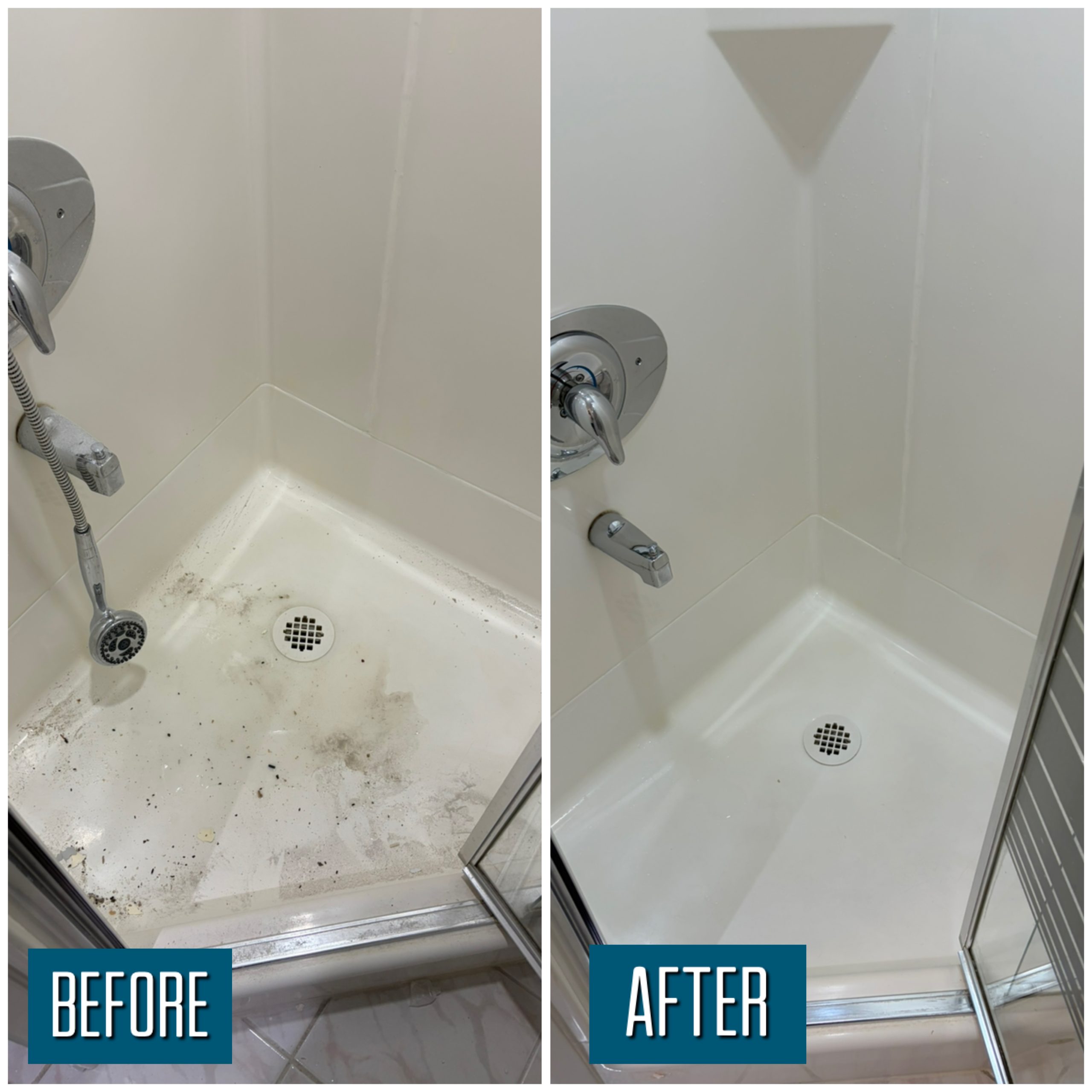
The photographs below show real Leronzo before-and-after results from detailed cleaning visits. They are examples of careful surface work, not claims that these particular jobs were post-construction projects.

Toronto condo renovation? Plan for building access
Before our team arrives
- Confirm renovation work and major debris removal are finished.
- Share the building’s contractor and cleaning access rules.
- Book the service elevator or loading area if required.
- Arrange visitor parking or unloading access for equipment.
- Identify freshly finished materials that require special care.
What to tell us in your request
- House, condo or townhouse and approximate affected rooms.
- Kitchen, bathroom, flooring or full-home renovation.
- Whether dust reached closets or rooms outside the work area.
- Photos of adhesive, paint, grout film or delicate materials.
- Your desired handover or move-in date and access window.
For Toronto high-rises, access logistics can affect how much on-site time is available. Planning an elevator booking and parking before the crew arrives helps keep the visit focused on cleaning.
Google customer reviewsSee actual feedback before choosing a service
Post-construction cleaning vs. deep cleaning
A deep clean addresses built-up household dirt. Post-renovation cleaning deals with job-site dust, finishing residue and recently installed materials. The latter may require different equipment, sequence and safety checks. Both can involve kitchens, bathrooms and floors, but the condition of those surfaces determines the scope.
For an actual price estimate, start with the property size and send photographs of the renovation’s condition. A low fixed quote without an agreed scope can overlook adhesive removal, inside-cabinet dust or repeat passes.
Related Leronzo cleaning guides and services
Post-construction cleaning FAQs
When should post-construction cleaning be booked?
Once the contractor has finished dusty work, removed tools and heavy debris, and confirmed that surfaces are ready to clean. If more sanding or cutting is scheduled, arrange the final clean afterward.
Do you remove drywall and sanding dust?
Yes, accessible fine dust on agreed surfaces is a core focus of post-renovation cleaning. We use controlled extraction and detail methods. Dust can resettle, and a second visit may be useful after extensive work or continuing construction nearby.
Can you remove paint from laminate flooring?
Some surface paint marks can be treated, but removal depends on paint type, curing time and the floor manufacturer’s care rules. We do not promise complete removal or use aggressive scraping that risks damaging laminate.
Can masking tape and sticker glue be removed from windows and frames?
Often, yes, after checking the frame, glass and coating. Compatible plastic tools and residue products may help. Older adhesive, fragile finishes and specialty glass can limit safe removal.
Do you steam-clean every floor after renovation?
No. Steam is suitable only for certain materials and conditions. Many laminate and wood floor products should not be steam-cleaned. We follow the surface’s compatibility requirements.
Are inside cabinets, drawers and closets included?
They can be included in the agreed scope, especially where renovation dust entered. Please mention them at booking because wiping all cupboard interiors takes additional time.
Can you clean vents and inside the ductwork?
We can clean safely reachable vent covers and surrounding surfaces within the agreed service. Internal HVAC duct cleaning is a specialist service and is not automatically included.
How do Toronto condo parking and elevator rules affect a booking?
Many buildings have loading, parking and elevator procedures. Please confirm them in advance and tell us if equipment must be carried over a long distance or if there is a restricted service window.
Ready for the final clean?
Tell us what was renovated, your Toronto neighbourhood or GTA city, the property size and the marks that concern you most. Photos help us assess the right service and any items needing special treatment.
Service area: Toronto and nearby GTA communities. View local service information:
Booking note: final pricing, taxes, scope, access arrangements and any unusual residue treatment are confirmed before the appointment. Removal of every stain, adhesive mark or paint transfer cannot be guaranteed without risking damage to some materials.